

Wednesday, March 9th, 2022
Heart Wisdom Panel:
The Power of Prayer and Manifestation – Creating Peace with Sherry Richert Belul, BJ Gallagher, and Sam Beasley
1:30 pm / PT
During these challenging times of war, illness, and violence, many of us are seeking new ways to manifest peace – in our lives and in the world.
We are asking ourselves how to deal with grief, fear, heartbreak, helplessness … and yes, even horror. How do we find peace within ourselves, in our families, in our neighborhoods, and in our world?
Join us at this week’s Mango Publishing Author Panel to participate in a non-denominational (and unconventional) conversation about the power of prayer and manifestation.
Our guest authors, BJ Gallagher and Sam Beasley, co-authors of “Your Life is Your Prayer” will share some practical guidance and helpful insights about how to use prayer practices and manifestation methods in everyday life.
The session will be facilitated by Sherry Richert Belul, author of “Say it Now.”
Come join us in this timely, lively conversation!
Mango Author Panels are a great way to get a behind-the-scenes look at the publishing world and what goes on in authors’ heads. They are always interactive, often intriguing, and especially inspiring.
This event is free. However, registration is required. Please use the form below and the Zoom link will be sent to you upon registration.
**Author Bios**
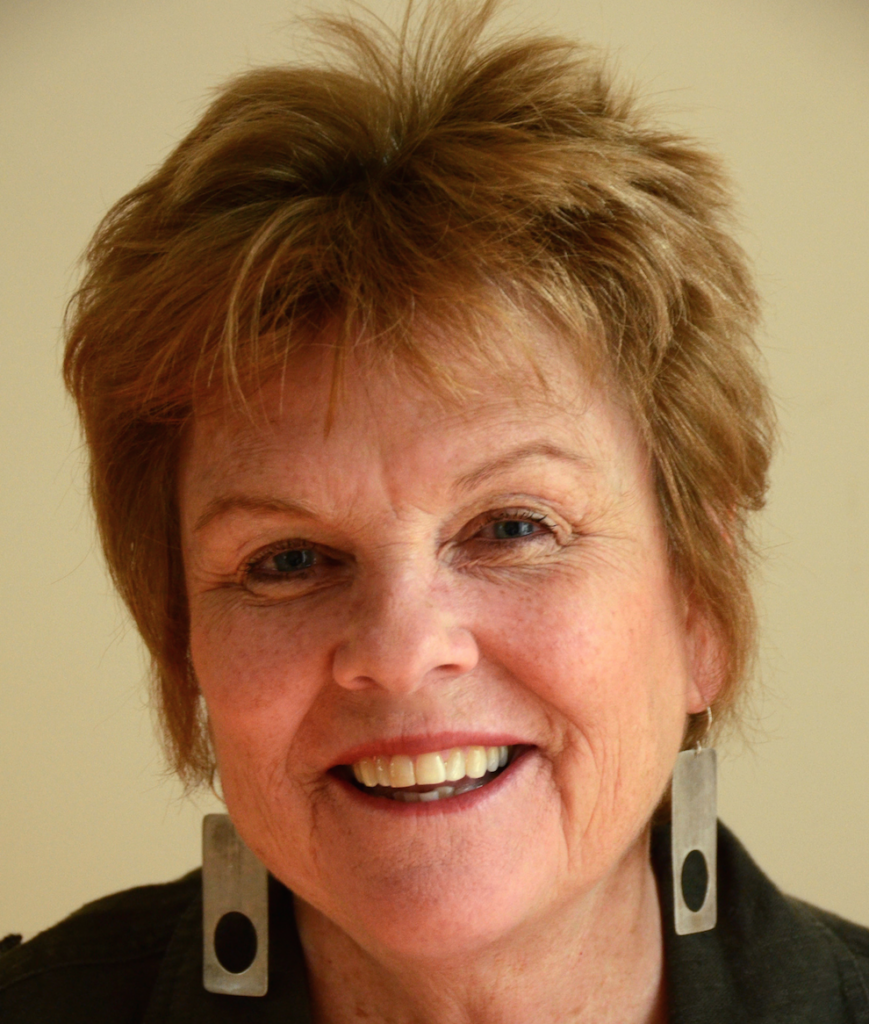 BJ Gallagher (http://www.bjgallagher.com) is an inspirational speaker and prolific author. She writes business books that educate and empower, women’s books that enlighten and entertain, and gift books that inspire and inform. Her business fable, A Peacock in the Land of Penguins is an international best-seller, published in 23 languages worldwide. Her newest book, (co-authored with Sam Beasley) is Your Life is Your Prayer.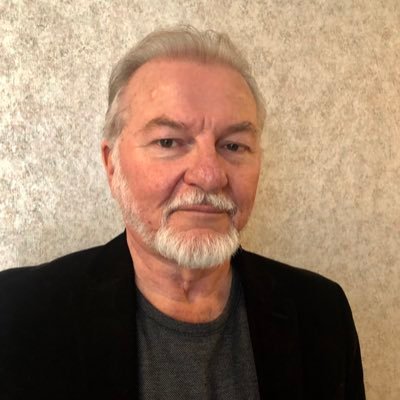
 Sherry Richert Belul (simplycelebrate.net), author of “Say it Now: 33 Creative Ways to Say I Love You to the Most Important People in Your Life,” is founder of Simply Celebrate, a business dedicated to helping people live colorful, connected, creative lives of love and appreciation.
 Register for the Heart Wisdom panel below:
Sorry! Registration is closed, so we can manage the list of attendees.
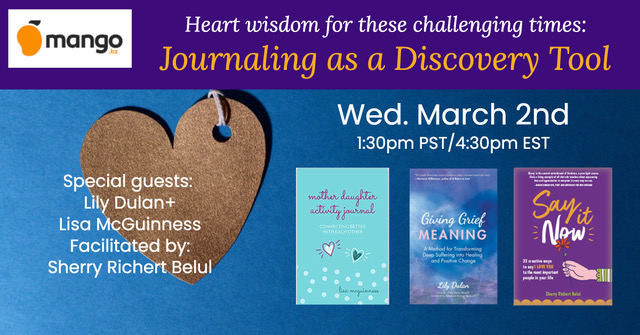
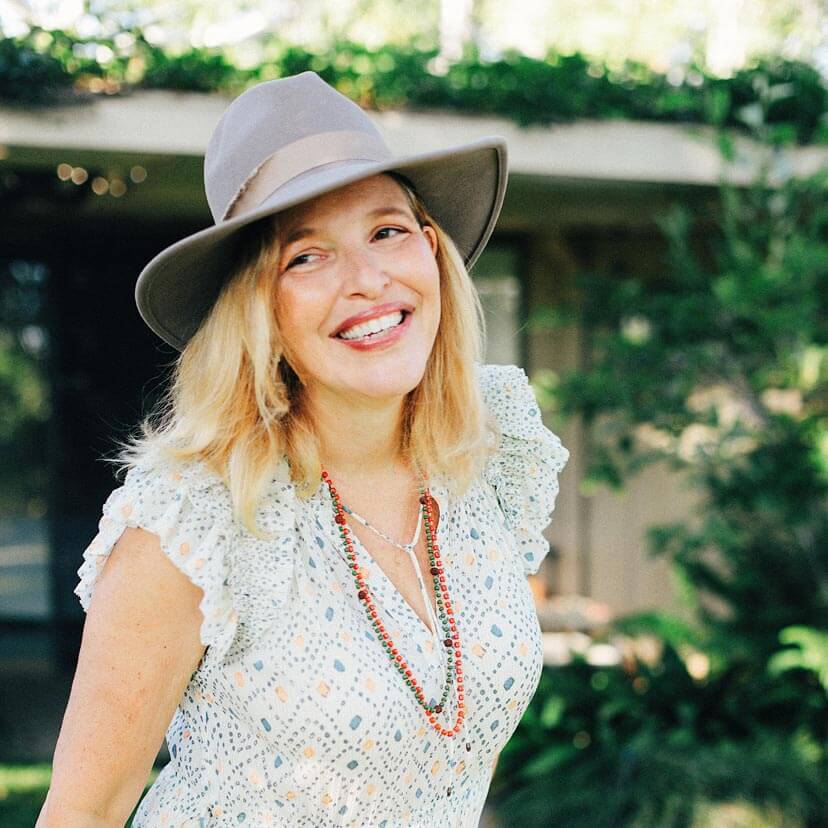 Lily Dulan, author of “Giving Grief Meaning,” is an MFT Psychotherapist with a master’s degrees in Psychology, Creative Writing and Teaching. She is a certified Heart of Yoga Teacher and the founder of The Kara Love Project who drew on her studies of both Eastern and Western disciplines to create a heart centered system of healing and moving through trauma that she calls The Name Work®.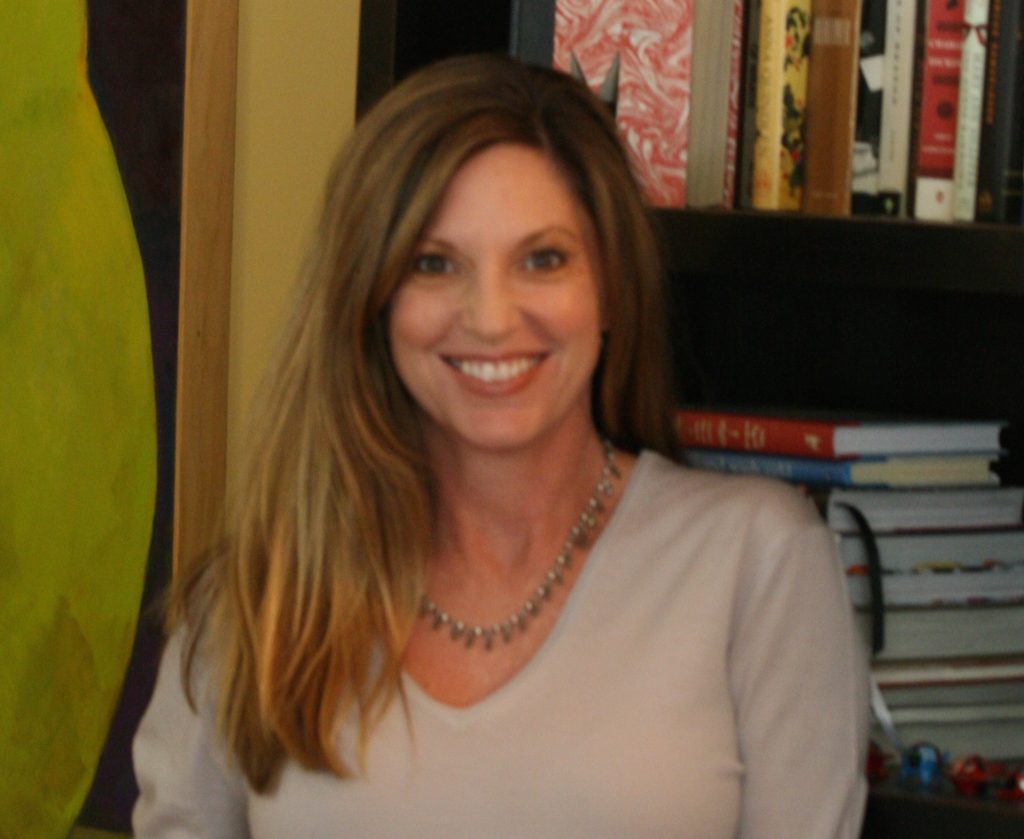


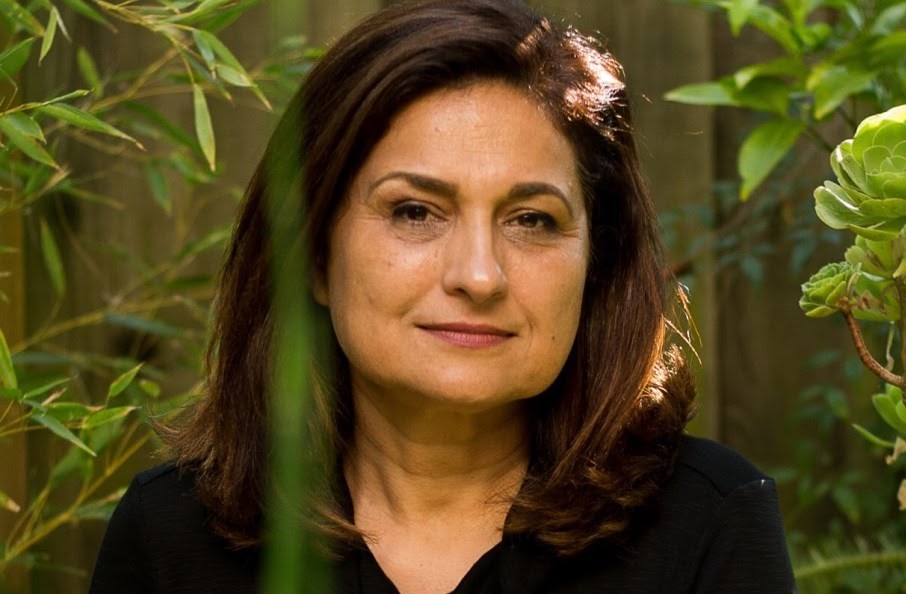 Dr. Anniqua Rana’s debut novel,
  Selma Tufail, an artist, has always navigated through the worlds of literature, art, and education. Life’s journeys have taken her around the world where she has taught, written, and created art — in Spain, Qatar, the U.A.E. the U.S, and Pakistan. She was awarded the Order of Civil Merit, the highest civilian award of Spain. The author and illustrator of
 Allen Klein:
 Emily Thiroux Threatt:



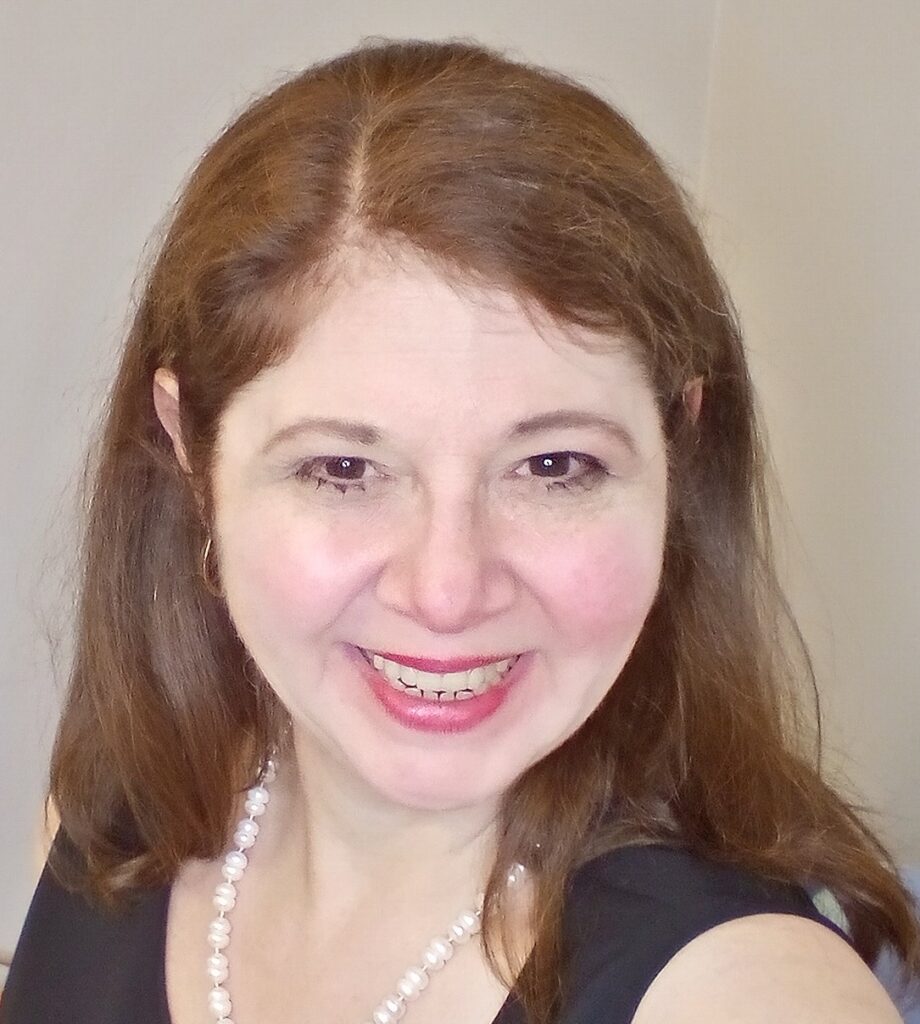 About Deb: Goal-Setting expert Debra Eckerling is the author of the award-winning
  About the Book: One of the biggest reasons goals fail is that people often don’t put enough thought into what they really want before diving in. Your Goal Guide by Debra Eckerling starts with that first, crucial step: figuring out your goals and putting a plan in place. Eckerling presents readers with her own tested and proven method: the D*E*B METHOD®, a brainstorming and task-based system, which stands for: Determine Your Mission, Explore Your Options, Brainstorm Your Path. Through a combination of writing exercises and systems, Eckerling provides readers with a process for making and setting goals that is stress-free, easy-to-manage, and even fun
 Written by
  Fellow storyteller and WNBA-SF friend, Kate Farrell, attended Beatrice Bowles’ Memorial, November 23, 2021, at the Hall of Flowers in Golden Gate Park with hundreds in attendance. Farrell reports, “The champagne and tea reception was lavish with all the trappings of a British high tea, a tiered service of tea cakes and savory sandwiches. One of the large serving tables featured Bea’s latest book, Spider Grandmother’s Web of Wonders, fancifully decorated by a family member with table centerpiece decor inspired by the book, a blend of floral photographs, myths, and folktales.”


 It’s a MIXER, so bring a bookish pal or two to join the virtual fun. We appreciate our members and would love for you to join us so we can hear about how this most challenging of years went for you and your hopes for the new year to come.
 Friday, December 10th, 2021
 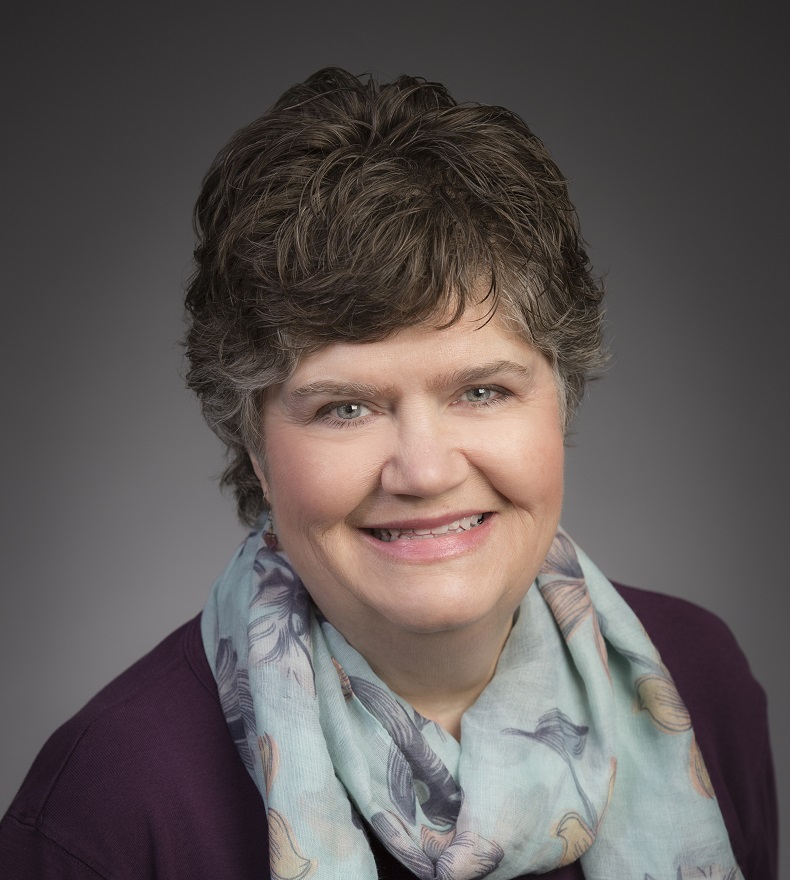 Nita Sweeney