

Write Your Book Proposal Workshop with Randy Peyser
Thursday, February 13
12 – 1 PM PST
REGISTER HERE
Zoom link provided upon registration
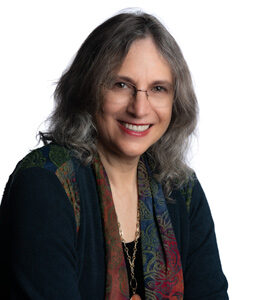 Randy Peyser sells non-fiction manuscripts in all genres and speaks nationally about how to earn book deals. She also serves as faculty for CEO Space International, where she teaches about writing book proposals. She is the author of The Write-a-Book Progra; Crappy to Happy as featured in the move Eat, Pray, Love; and The Power of Miracle Thinking.
Her clients’ books have appeared in Oprah, Time Magazine, the bestseller lists of the Wall Street Journal and USA Today, in airport bookstores, Office Max and FedEx stores, and on Hallmark TV. Her work is featured in: Healing the Heart of the World, The Marriage of Sex and Spirit, Secrets of Shameless Self-Promoters, and the national bestsellers, Networking Magic Guerilla Publicity and The Profit of Kindness.
 Passion-Projects Goals Mixer
Thursday, February 27
12 – 1 PM PST
REGISTER HERE
Zoom link provided upon registration
- Share: Your passion project
- Tell: What support you need to get it done, as well as ways you can help others in our community.
 About Debra: Debra Eckerling is the award-winning author of Your Goal Guide: A Roadmap for Setting, Planning, and Achieving Your Goals and 52 Secrets for Goal-Setting & Goal-Getting. A goal strategist and the creator of the D*E*B METHOD® for Goal-Setting Simplified, Debra offers personal and professional planning, book proposal development, and team-building for executives, entrepreneurs, consultants, and companies. The networking ambassador for WNBA – San Francisco, Debra has spoken on stages for TEDx, Innovation Women, SCORE LA, and more. She is the founder of the Write On Online community, as well as host of the GoalChat and Taste Buds with Deb podcasts.
To register, please visit the event page and fill out the form at the bottom of the page!
 Pitch-O-Rama Prep Workshop & AMA
Thursday, March 20
12 – 1 PM PST
REGISTER HERE
Zoom link provided upon registration
By popular demand, WNBA-SF will hold a Pre Pitch-O-Rama Coaching AMA [Ask Me Anything].
Registration is free for anyone already signed up for 2025 Pitch-O-Rama. If you haven’t, prices are $10 for WNBA-SF members and $25 for non-members.
We are VERY excited to hold our fifth virtual Pitch-O-Rama which is looking to be a fabulous event with new agents and editors including those from the New York publishing world. And, since it is virtual, we have many new writers joining us, hailing from all over the country and even a couple of international guests. We have received many questions and suggestions which resulted in this Pre Pitch session.
WNBA-SF stalwarts who have run Pitch-O-Rama for many years will tell you what to expect, tips and strategies for inspired pitching, and how to get the most from this mini-writers conference.
Hosted by Madame President and publisher Brenda Knight, this event will feature experts who can answer any question you have, so make your list now! She will share what editors and agents are looking for, and how to position your project so it will garner real interest from acquiring editors and literary agents.
Steeped in Pitch-O-Rama history, Kate Farrell will offer insight into effective pitches and the kind of good advice only an experienced author and pitch event coordinator can provide.
Another Pitch-O-Rama veteran and WNBA National President, Elise Marie Collins offers techniques on how to overcome nerves and make your best impression.
Ellen McBarnette, an attendee from previous years’ virtual Pitch-O-Rama will tell you “what she wishes she knew last year and what you should know for this year.”
Goal setting expert Debra Eckerling will share tips for networking in the fast-moving, virtual space.
Every year, writers find agents, get publishing deals and get excellent feedback that advances their writing careers. This year, it can be you!
Registration is free for anyone already signed up for 2025 Pitch-O-Rama. If you haven’t, prices are $10 for WNBA-SF members and $25 for non-members.
To register, please visit the event page and fill out the form at the bottom of the page!

Virtual Pitch-O-Rama 2025
Saturday, April 5
8AM – 1 PM PST
SIGN UP HERE
Zoom link provided upon registration
Are you developing a concept for a new book? Do you have a manuscript in progress? Have you always wanted to publish that book you’ve been working on for years? If this sounds like you, we would love to invite you to Pitch-O-Rama 2025!
We are happy to announce we will be hosting the next Pitch-O-Rama as a virtual event on April 5th, 2025, where writers will be given the opportunity to pitch their works to agents and editors for publication.
Everyone is welcome to participate!
Register below to pitch your book idea to agents and publishers!
New to Pitch-O-Rama? Pitch-O-Rama is an annual event where we bring in a set of publishing professionals to share their knowledge of the publishing industry. During the event, you will be able to practice your pitch with coaches and fellow writers, and then share that pitch with an expert who will provide advice on taking your writing project to the next level.
A chance like this is an invaluable learning experience that could put you on the path to publication. We hope to see you there!
To register, please visit the event page and fill out the form at the bottom of the page!

 Holiday Storytelling Fest: True Stories of Grace and Gratitude

 Holiday Storytelling Fest: True Stories of Grace and Gratitude
 Cooking & Food Writing Panel
 How to Get a Book Deal
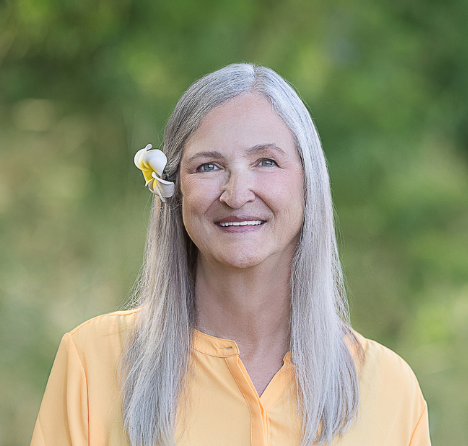 After the deaths of two husbands, as well as the many family members and friends, Emily Thiroux Threatt has much experience in the grieving process and has learned to face life with love, optimism, and joy.
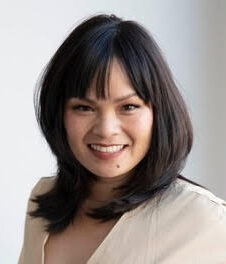 Christina Vo is a writer based in Santa Fe, New Mexico. Her work reflects her commitment to understanding and sharing the complexities of the human experience. Christina’s debut memoir, The Veil Between Two Worlds: A Memoir of Silence, Loss, and Finding Home, demonstrates her ability to weave personal experiences into broader narratives about identity, home, and belonging. Her second book, My Vietnam, Your Vietnam, an intergenerational memoir co-written with her father, was published in April 2024 and recently selected for the Ms. Magazine Most Anticipated Feminist Books of 2024. She has worked internationally for UNICEF in Vietnam, the World Economic Forum in Switzerland, as well as served as a consultant for nonprofits.

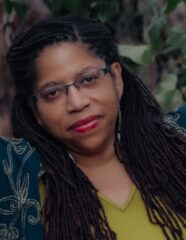 Sheila Smith-McCoy is an award-winning poet, fiction writer, and filmmaker. Her full-length poetry collection, The Bones Beneath is a haunting new work from Black Lawrence Press. In addition to her poetry and fiction, Smith McKoy has authored and edited numerous scholarly works. Her books include the seminal text in understanding white race riots, When Whites Riot: Writing Race and Violence in American and South African Cultures. She is co-editor of Recovering the African Feminine Divine in Literature, the Arts, and Performing Arts: Yemonja Awakening (2020), and editor of The Elizabeth Keckley Reader: Writing Self, Writing Nation (2016) and The Elizabeth Keckley Reader: Artistry, Culture and Commerce (2017). Smith McKoy has also written, produced, directed or served as executive producer for four documentary films.
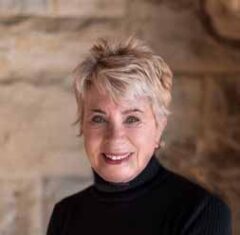 Geri Spieler
 How to Write About Grief and Loss
 Grievers want to know that who is writing about grief has experienced or is experiencing grief. The readers who are seeking something to read about grief want to know that the writer relates to grief in a way they can relate to. You can do this by writing from the perspective of someone speaking to directly to the one person who is reading what you say at that moment.
