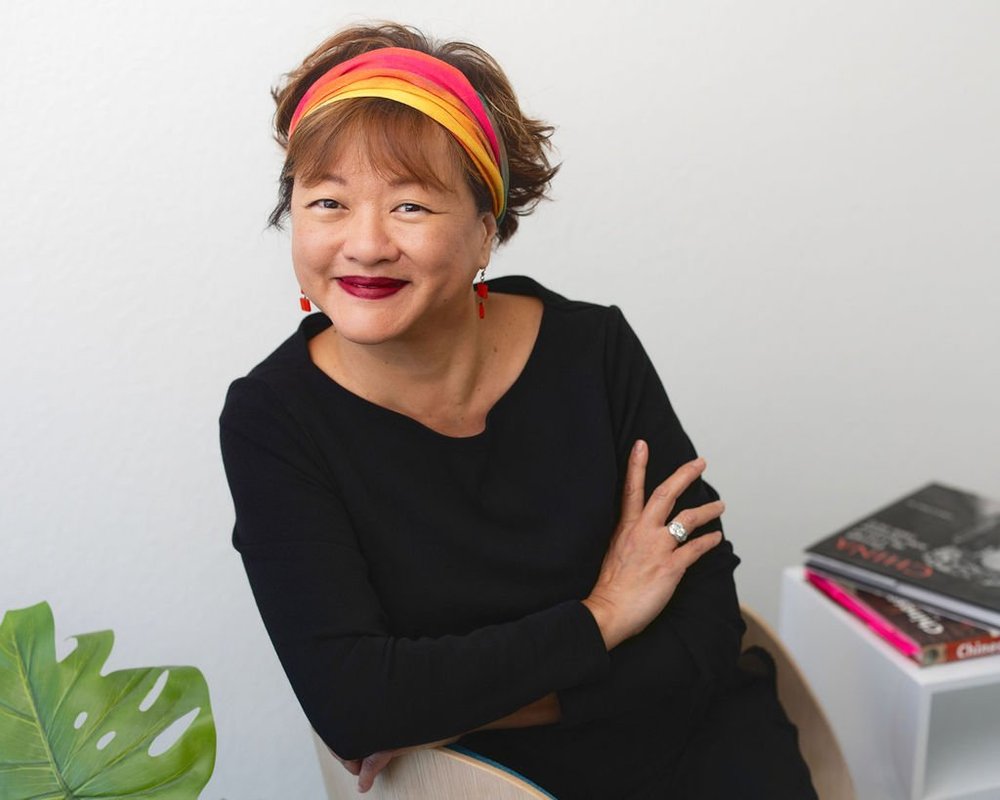
How was writing this book different from your other books?
(JMP): Four of my previous books are medical textbooks. I was both the editor and contributor. A fifth book is a metaphorical piece which describes the life lessons I derived from tango classes. While many of the examples are personal, these do not come close to the intimate and controversial nature of Lying in a Tomb, which is both a memoir and an observational anthropological study pertaining to human remains. During the writing process, there was a constant unease regarding the vulnerability of my subjects, the mummies of Guanajuato, and the naivete of my younger self.
How did you finally make the book happen?
(JMP): I was about to initiate another writing project-a biography about a female physician who was an art editor for a medical journal. As I prepared, I found my old notebooks and was, yet again, overcome with the guilt of having never completed a report about my research. I recalled a creative writing class-an elective during medical school-and how my professor had encouraged me to continue writing about the mummies as a collection of short stories. So many decades later, something finally clicked. I composed an outline, organized items from my journals, and reserved a vacation rental for the following year, in Guanajuato. I invited friends who were artists or writers to join me. But first, I scheduled monthly zoom meetings to keep each of us-mostly me-on task. We all had to work consistently on our respective projects, so that our retreat in Guanajuato would be a culmination of our efforts, a reward, and a time of assemblage. I credit our synergy and our sense of accountability for the momentum necessary to bring such things to fruition.
What do you mean when you describe the process as “40 years and 26 months later”?
(JMP): It was during the late 1970’s-early 80’s, when my research of the mummies began. I was 21 years old when I received an award to continue my study. Forty years had passed when I decided to focus on a book about this experience. It took 26 months to review my notebooks, revisit my old haunts in Guanajuato, rekindle distant memory and edit, edit, edit.
How have your feelings about the mummies evolved over this time?
(JMP): In the beginning, I approached the mummies clinically. There was care and respect, but also a professional detachment. Navigating through the inevitable challenges presented in adulthood, transformed my relationship to the mummies, into one of greater empathy and advocacy. I can more deeply identify with their stories, even if I only know their age or cause of death.
If money and politics weren’t an issue, how do you wish you could continue to study the mummies?
(JMP): Oh! I’d pursue my original [naïve] plan. Collect all the death certificates of those bodies currently sepulchered in the crypts (not the graves); create a grid that would map the location relative to the death certificate; de-identify the data from the death certificate, but maintain the crypt location, temporarily; open each crypt- methodically, respectfully, and only in the presence of very few discreet individuals with previous security clearance; document the conditions of each (mummified completely, partially or not all); seal each crypt.
The location of mummies on the map would be analyzed for weather and climate exposure. A truer incidence of mummification would be proven, ie, a numerator (the number of mummified bodies) over the denominator (total number of crypts currently occupied). Mummified vs un-mummified would be statistically analyzed with variables obtained from the death certificate and location. We would see if in fact there are any correlations between such things as cause of death, time of entombment or location and the natural mummification process. The de-identified cemetery map-death certificate key would then be destroyed.
Also, what would you like to see happen with the museum of the mummies?
(JMP): Paloma Robles Lacayo was the museum director between 2015 and 2018. She made several modifications to enhance both the dignity of the mummified humans and the educational experience. I hope that she can continue to bring about positive changes as a local politician. I wish that the so-called traveling mummies who are now displayed in a neighboring town, could be returned to the original museum at the Cemetery of Santa Paula, in Guanajuato. This will require expansion, which I realize, may no longer be feasible. You might wonder, how is it that all of the mummies were exhibited in this limited space. Well, they were propped-standing- against the walls, and later in tall wooden hutches. Out of respect and conservation efforts, they are exhibited horizontally on their backs, as if lying in a tomb.
As an artist and physician, Jeannette M. Potts, MD is the editor of four urological textbooks published by Humana and Springer Press, as well as author of the book Tango: Lessons for Life, published by Cleveland Clinic Press. She has been a passionate collaborator with the National Institutes of Health and the International Prostatitis Collaborative Network to advance research and patient care.
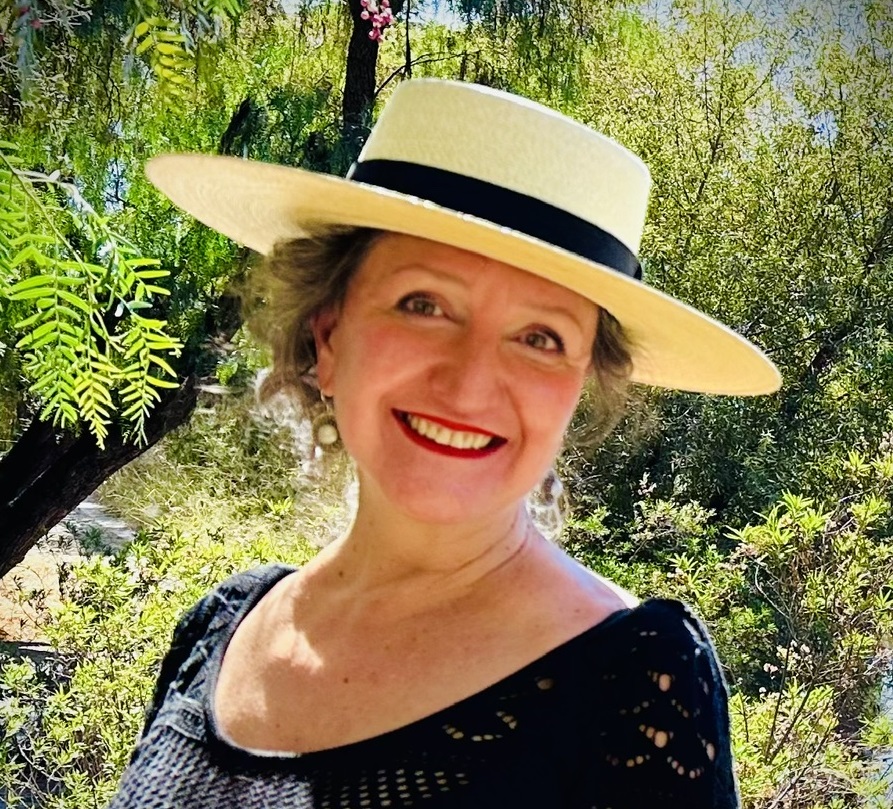
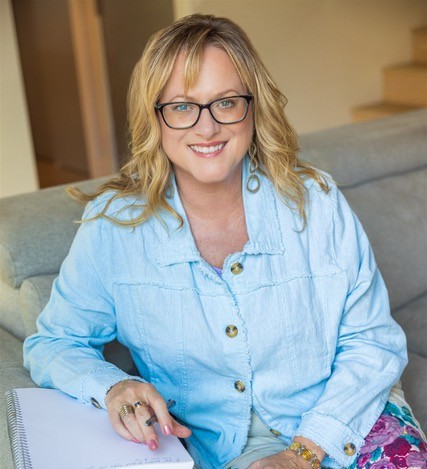 Lynda Monk, MSW, RSW, CPCC is an author, speaker, registered social worker, certified professional coach, and Director of the International Association for Journal Writing (IAJW.org). For more than 30 years, she has helped people harness the power of writing for self-discovery, healing, creativity, and personal growth. Lynda is a recognized leader in the field of journaling and co-editor of The Great Book of Journaling and Transformational Journaling for Coaches, Therapists, and Clients. She is also the author of The Adoptee’s Guide to Healing, Wholeness & Growth. Through her workshops, courses, and global journaling community, Lynda inspires people to connect more deeply with themselves, their stories, and their creative potential.
 The Power of Journaling for Women Writers
 Substack for Authors with Jim Fuhs and Alexandra Hidalgo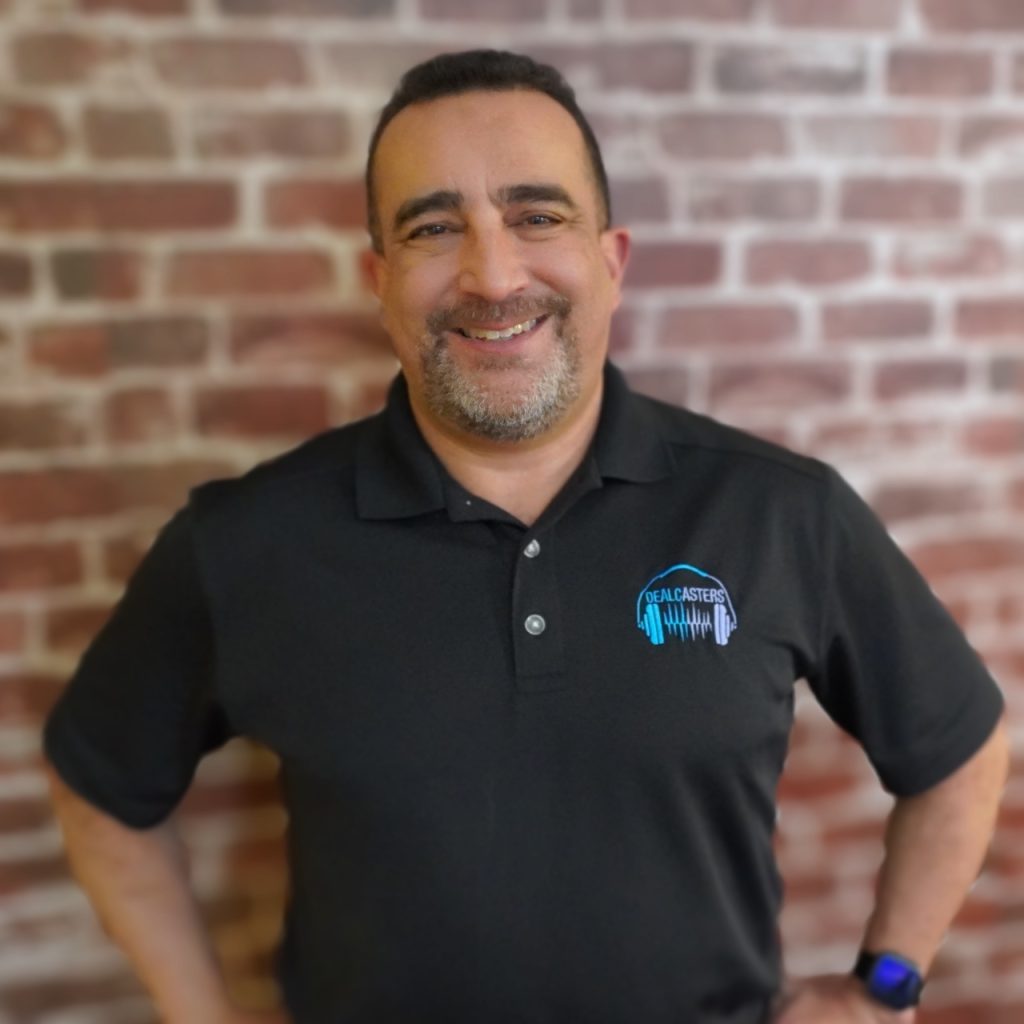
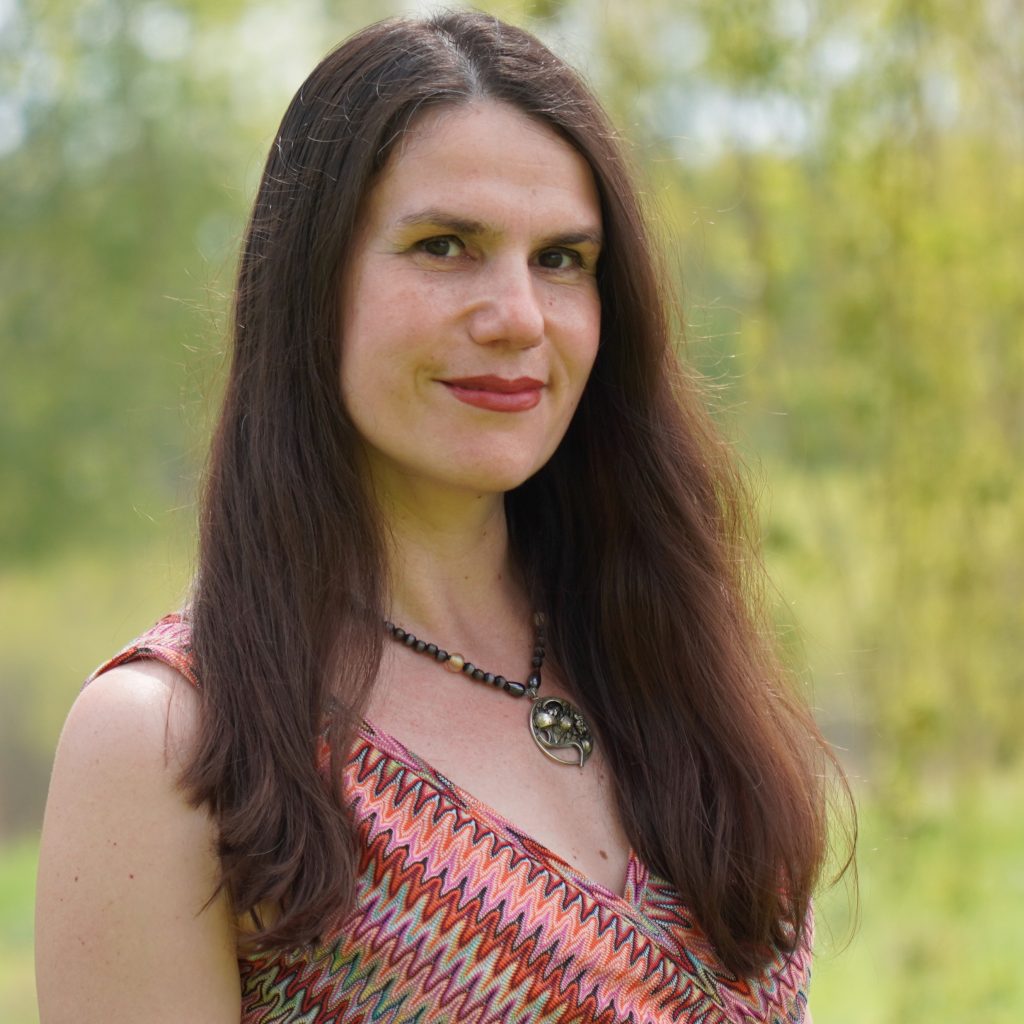 Alexandra Hidalgo left Venezuela for the US at 16, and she’s an endowed associate professor and Crow Chair of English at the University of Pittsburgh. Her writing and documentaries have been featured in The Hollywood Reporter, IndieWire, NPR, The Criterion Collection, and Women and Hollywood. She writes about relationships across time and distance on her
 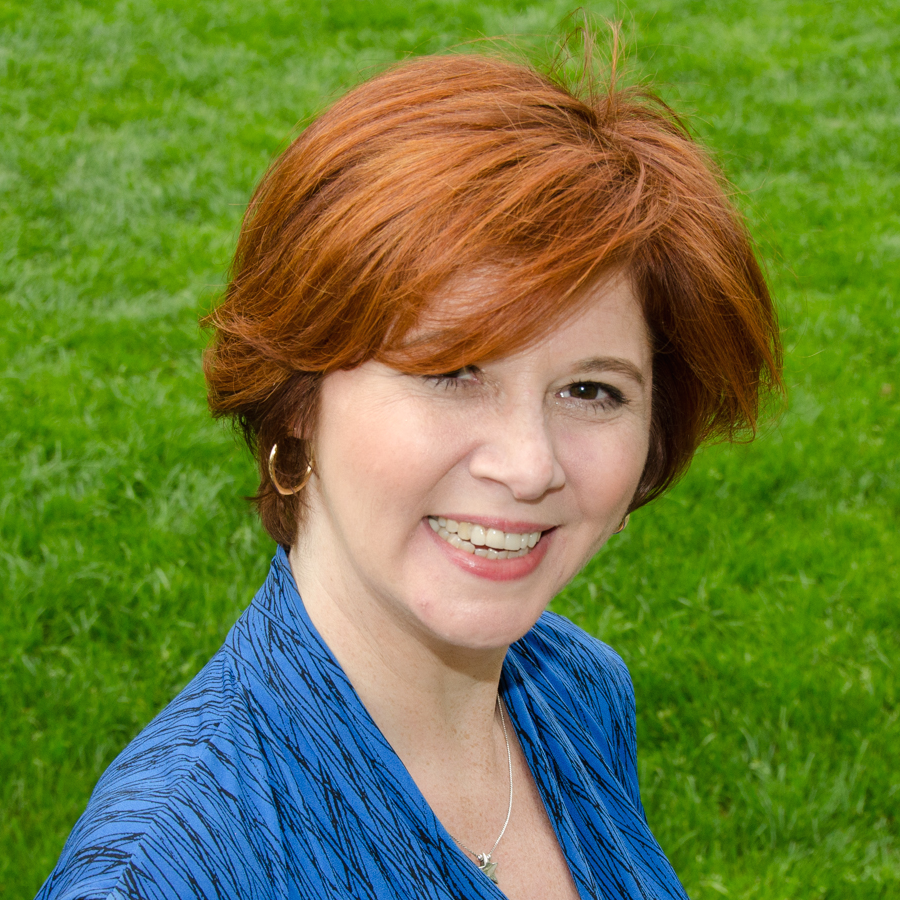 Debra Eckerling is a goal strategist, author, and book proposal expert who helps writers, entrepreneurs, and consultants transform their ideas into sellable books. The founder of The DEB Method for goal-setting simplified, Debra specializes in guiding clients from concept to proposal with clarity, confidence, and direction. Debra is the author of Your Goal Guide: A Roadmap for Setting, Planning and Achieving Your Goals and 52 Secrets for Goal-Setting and Goal-Getting, and hosts GoalChat, The Book Proposal Podcast, and Book Proposals Simplified on Substack. She is also a regular contributor to and speaker for
  Comp-a-palooza Lunch N Learn with Brenda Knight and Debra Eckerling
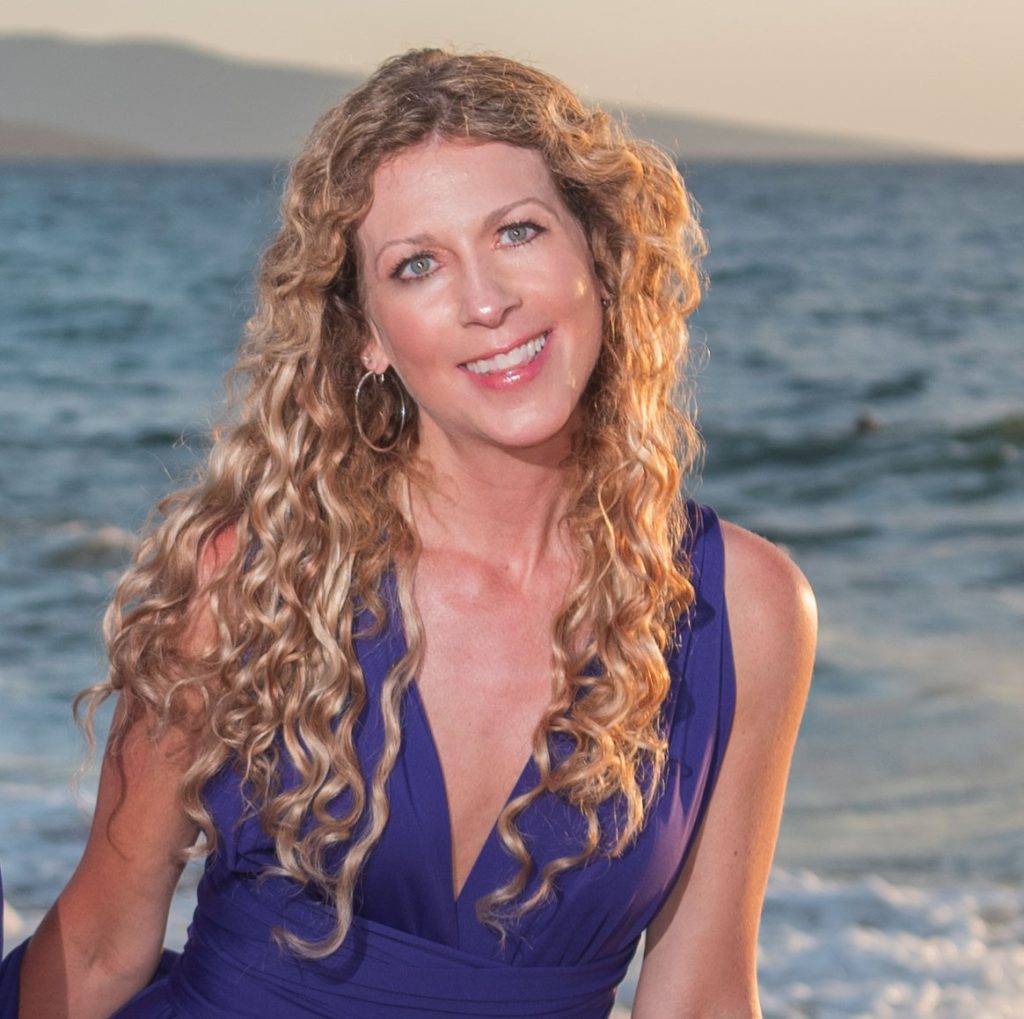 Megan Mary is an international bestselling author, host of Women’s Dream Enlightenment Podcast, founder of Inner Realms Publishing, and Literary Ladies, a free book marketing community for women authors. Her metaphysical trilogy, Witches of Maple Hollow, blends the genres of mystery, fantasy and speculative fiction: Book 1:

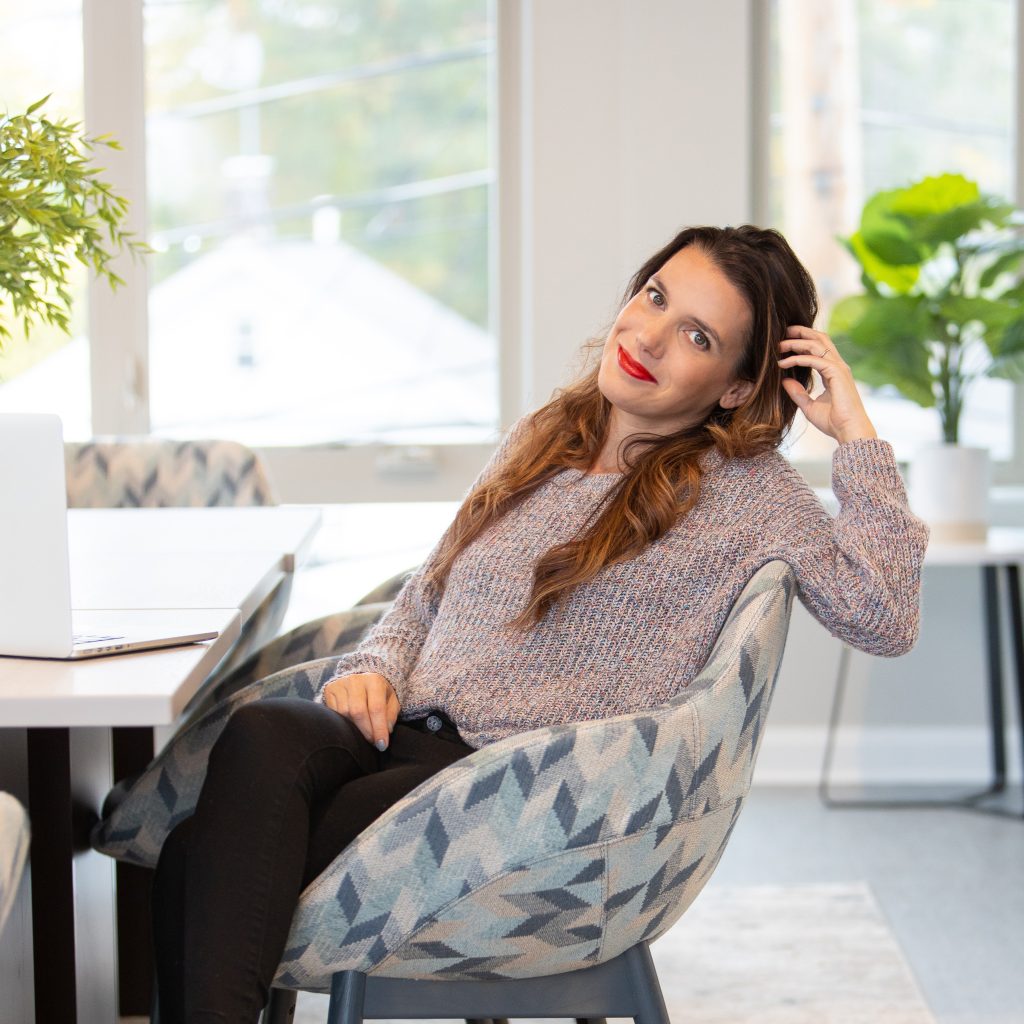 Julie
Julie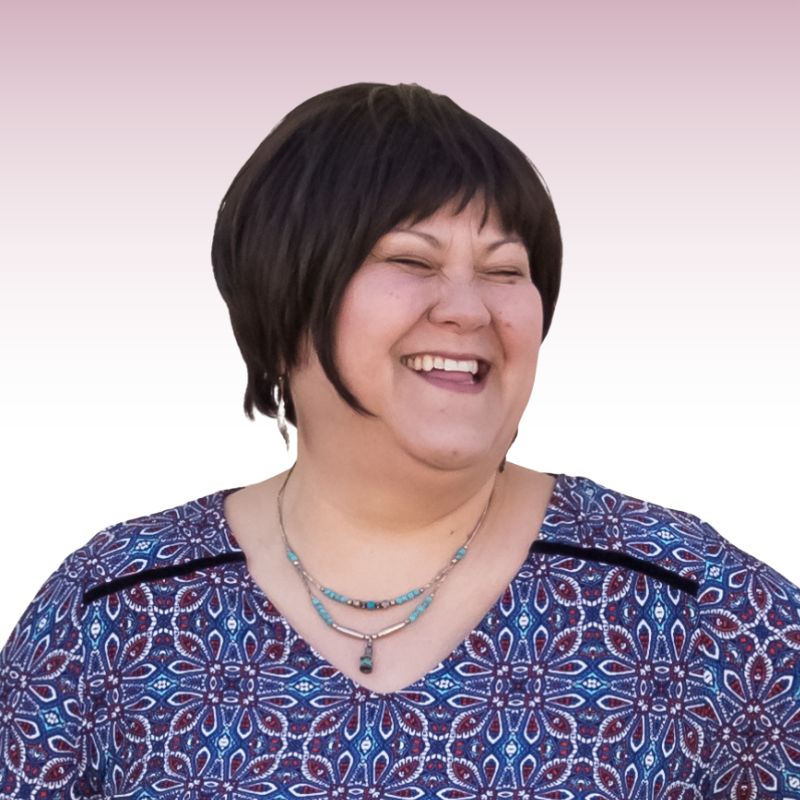 Kandas Rodarte is a veteran podcast host and digital content strategist who has been producing the Gratitude Geek podcast since 2014. With over 300 episodes published, she specializes in helping Gen X women solopreneurs build sustainable businesses through strategic podcast guesting, content repurposing, and authentic visibility strategies. As the creator of the Gratitude Geek Lab community and founder of the Creator Collab Mixer, Kandas facilitates practical, experiment-driven guidance for women navigating business growth. She also co-hosts the Sci-Fi Book Pod and brings hands-on experience with podcast production workflows, SEO optimization, and community building to every conversation about podcasting. KandasRodarte.com.