
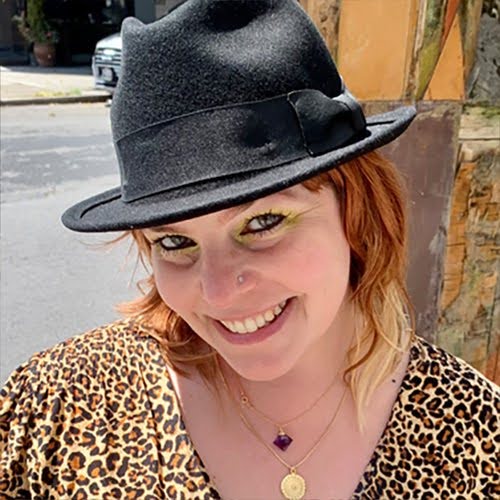
Debbie Hartung is a San Francisco, California writer and artist who enjoys traveling and live music.
What began as your motivation to write your memoir, The Factory of Maladies: Seven Days on a San Francisco Psych Ward?
(DH): The Factory of Maladies began as a stream-of-consciousness journal that I began writing after I was released from the psychiatric ward. I was experiencing intense PTSD and it was only when I began to experience relief from my symptoms; initially, my memoir was written simply for my own healing. I spent seven years journaling; in the beginning, the more I wrote, the greater the PTSD flashbacks became, due to the triggering nature of my experience. Channeling this trauma into my journal proved to be one of the greatest assets of my writing style and eventually, it also became the ultimate catharsis.
Awareness about one’s mental health and how one can help themselves has been more publicly discussed in the past decade, though it is still a work in progress. In what ways do you think that mental illness treatment still needs to be improved?
(DH): I believe that there have been many improvements in the overall treatment of mental illness, yet there are a myriad of ways in which our current public funded treatment for mental illness can be improved. For example, I feel that adequate funding for psychiatric wards, increased staff (many of the staff I encountered during my institutionalization were exhausted and clearly overworked), and appropriate training to deal with patients who cannot always advocate for themselves. For example, a few years prior to my institutionalization, I was admitted to the same hospital for an issue with my ovaries. While there, I was given heated blankets, fluffy pillows, clean hospital gowns, round-the-clock care from knowledgeable and compassionate staff, and morphine for my intense physical pain. This was in stark contrast to my tenure of the psych ward, where I slept on a dirty bed with threadbare blankets and a pancake-thin pillow in a freezing room. I wore the same pair of scrubs for days on end and I received the bare minimum of care. I truly believe that patients suffering from a mental illness deserve to be treated with the same amount of compassion, care, dignity, and kindness as any other medical condition.
What is something you learned about yourself as you were writing this memoir?
(DH): I learned that although sharing my story can be scary and uncomfortable, being vulnerable is actually a form of strength.
Were there any obstacles you had while writing this?
(DH): The most challenging aspect of writing The Factory of Maladies was on an emotional level, as I confronted the memoires that haunted me on a daily basis.
Out of this experience, what is something you hope others take away from your story?
(DH): The message that I hope for my readers is: a sense of hope. Although my story may seem bleak in the beginning, it is also relatable on many levels. Most people have struggled with mental health challenges to varying degrees and it is easy to feel trapped in a downward spiral. However, the fact that I am alive and that I was able to write a memoir while recovering from a brain injury sustained during my suicide attempt, means that I have overcome adversity – and so can the reader.
And lastly, do you have any other writing projects you have planned for the future?
(DH): I am currently working on a novel and a book of short stories that I hope to share with the world soon.
The Factory of Maladies is her literary debut, chronicling her healing crisis on a psychiatric ward.
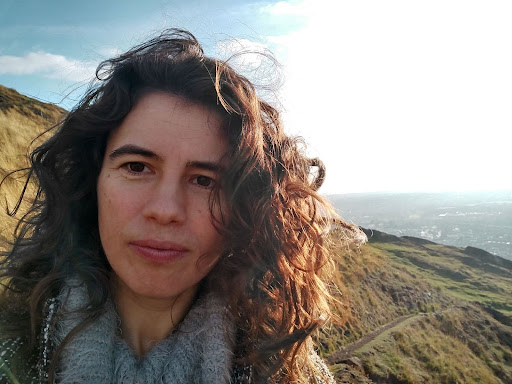 Jonica Tramposch is originally from the Pacific Northwest and is a nomad by nature, although she has been based in Orlando for several years at this point (which boggles her mind).
 Mike Larsen is an author coach who loves helping writers reach their goals by adding value to their readers’ lives. Mike and his late wife Elizabeth Pomada worked in publishing in New York before moving to San Francisco in 1970 and starting Larsen-Pomada Literary Agents in 1972. They were charter members of the Association of Authors Representatives, and sold hundreds of books to more than 100 publishers and imprints, before they stopped seeking new clients.
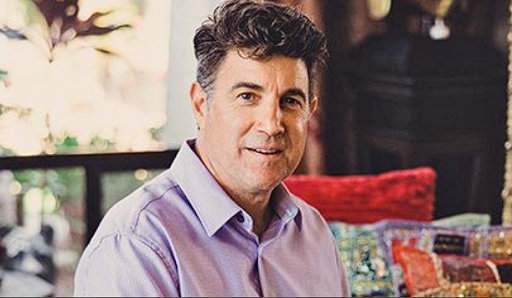 As a dedicated writer, Scott Sallinger has a deep interest in personal growth and human behavior. He studied psychology in college and completed a transformative three-year program at MTT, where he coached students in personal development. He has shared his insights in his book, numerous articles, and a series of how-to videos focused on creating a home with purpose and meaning.
 Moderator Debra Eckerling, WNBA-SF’s networking ambassador, is an award winning author and podcaster. A goal strategist and the creator of the D*E*B METHOD® for Goal-Setting Simplified, Debra offers personal and professional planning,
 Chef Rossi is the director, owner, and executive chef of “The Raging Skillet,” a cutting-edge catering company known for breaking any and all rules. She penned the memoirs, The Raging Skillet and The Punk Rock Queen of the Jews, and has also written two full-length plays, a number of one-act comedies, and a one-woman stage adaptation of The Punk Rock Queen of the Jews. She hosts the Raging and Eating podcast.
  Dayna Steele is the host of the #survivingalzheimers podcast for caregivers, friends, and families of those diagnosed with Alzheimer’s and a new podcast, Off Their Rockers, for women 50+ still rocking this world! She is also a rock radio Hall of Famer and the playwright and star of the award-winning play The Woman in the Mirror, based on her best-selling book Surviving Alzheimer’s with Friends, Facebook, and a really big glass of Wine.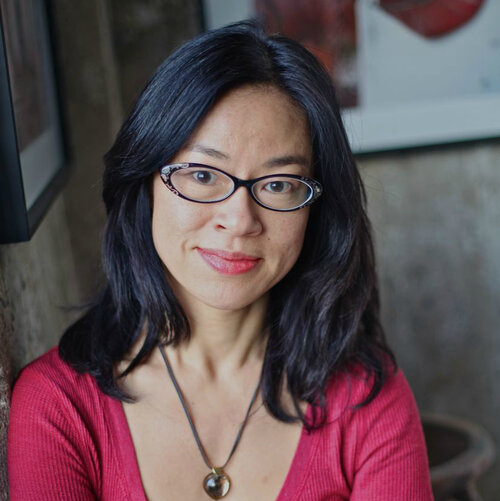
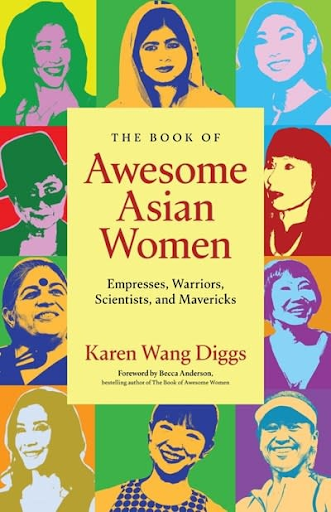 What new perspectives and messages do you hope readers gain from reading The Book of Awesome Asian Women?
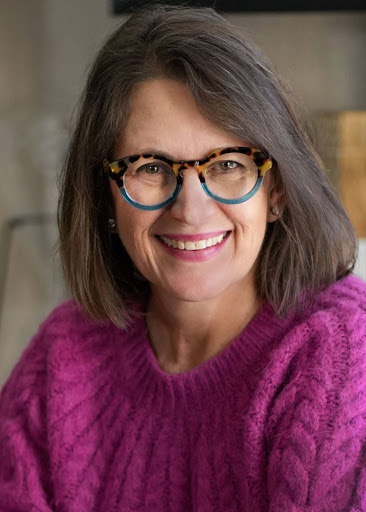 Shanti Ariker is a writer by night and a lawyer by day. The start of her memoir appears in How We Change, the 2024 San Francisco Writer’s Foundation Writing Contest Anthology. Her work has been published in The Thieving Magpie, On Being Jewish Now substack and Simpsonistas Vol. 3.

 Cooking & Food Writing Panel
 How to Get a Book Deal
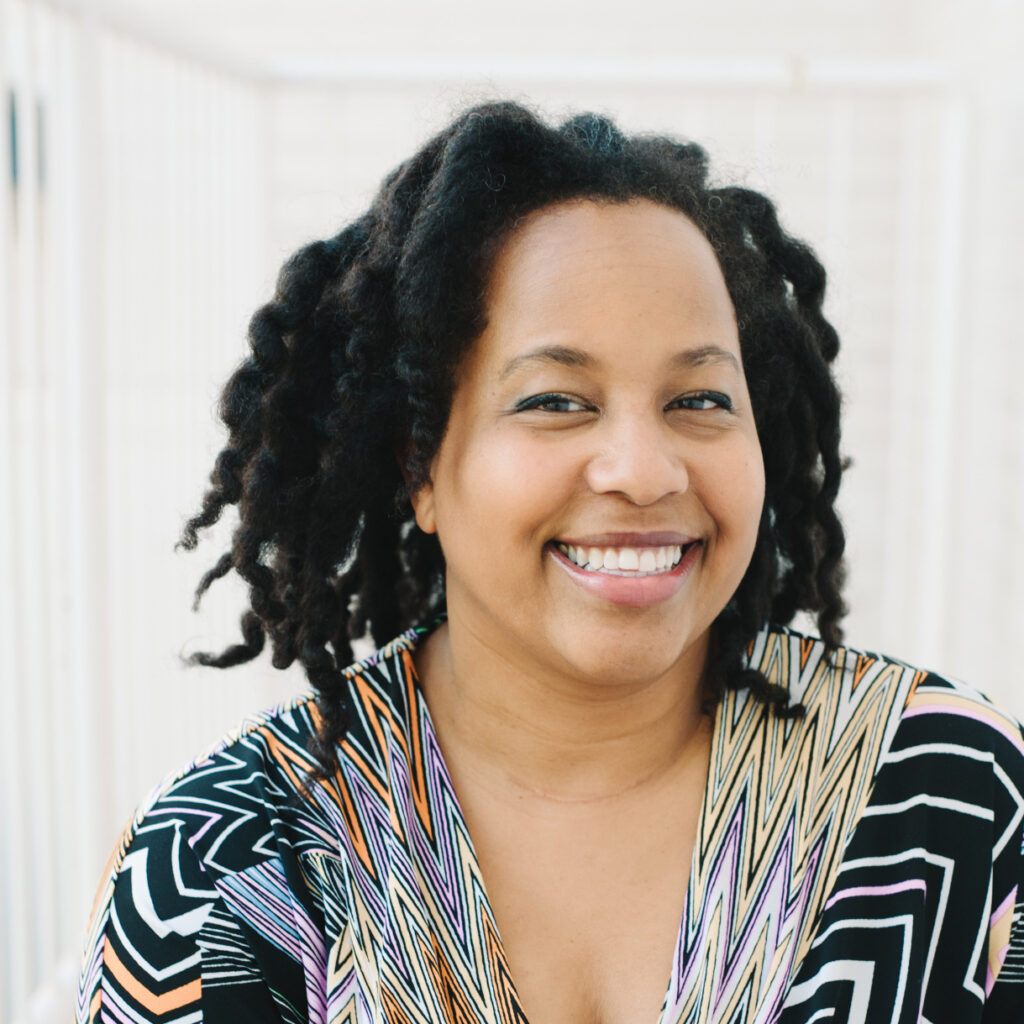 Ellen McBarnette is a lifelong writer whose nonfiction work has been published as testimony, fact sheets, and opinion pieces for organizations that include the Sierra Club and the American Bar Association. A professional storyteller, she is a recent transplant from Washington, DC where she ran the Arlington Creative Nonfiction Writers Group. She now runs the Beta Readers and Writers Group and is an active participant in critique groups in the Bay. She lives in Hayward with her partner Ben and their cat Java.
 Mary Mackey is the New York Times bestselling author of fourteen novels, including The Earthsong Series—four novels which describe how the peaceful Goddess-worshiping people of Prehistoric Europe fought off patriarchal nomad invaders (The Village of Bones, The Year The Horses Came, The Horses at the Gate, and The Fires of Spring). They have made The New York Times and San Francisco Chronicle Bestseller Lists, been translated into twelve foreign languages, and sold over a million and a half copies. She has published several collections of poetry, including Sugar Zone and The Jaguars That Prowl Our Dreams. You can get the latest news about Mary’s books, public appearances, newsletter, and writing advice at marymackey.com.
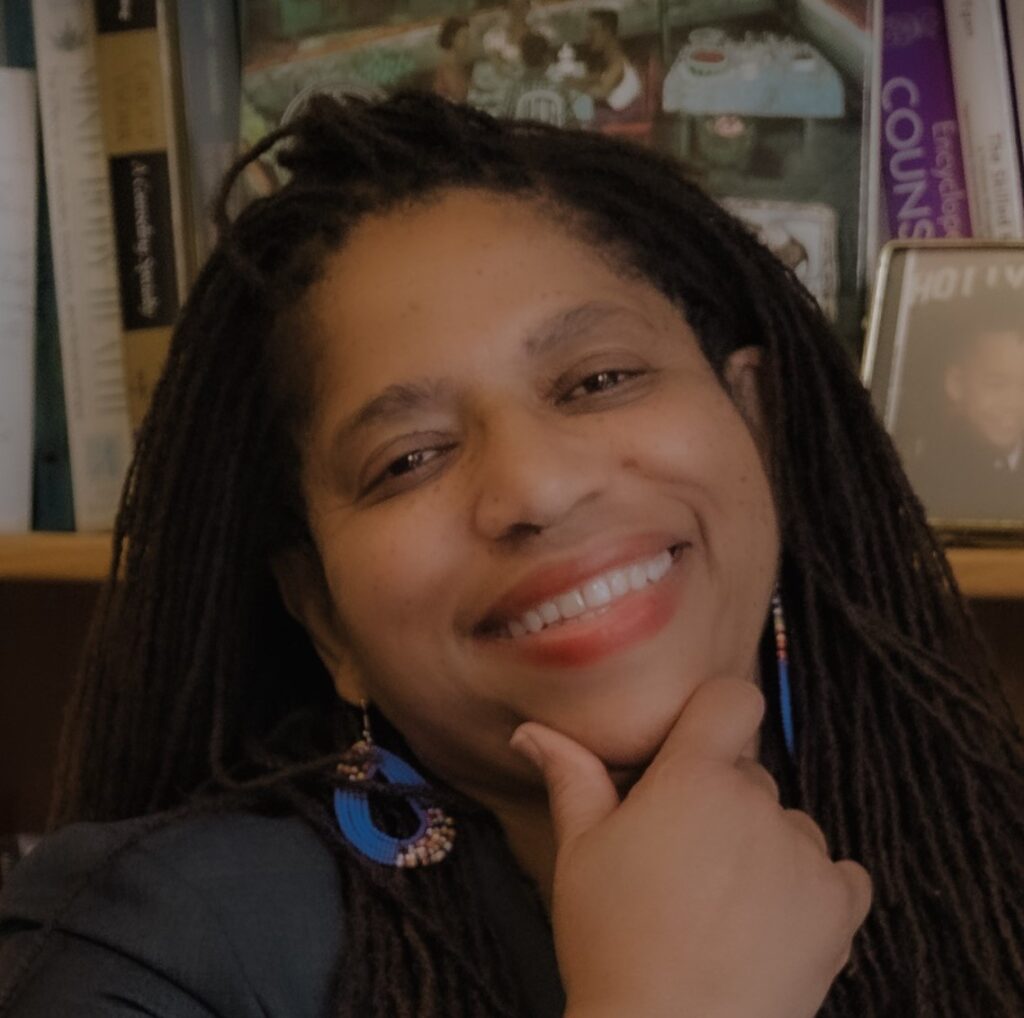 Sheila Smith McKoy, PHD is an award-winning poet, fiction writer, and filmmaker. She is the recipient of the 2020 Muriel Craft Bailey Memorial Prize in poetry. Her poetry collections include The Bones Beneath (Black Lawrence Press, 2024) One Window’s Light: A Haiku Collection, a collaboration of five Black poets; the collection won the 2017 Haiku Society of America’s Merit Book Award for best haiku anthology. In addition to her poetry and fiction, Smith McKoy has authored and edited numerous scholarly works. She focuses on vital conversations about equity, inclusion and the Black speculative. A native of Raleigh, NC, she lives in the San Francisco Bay Area.
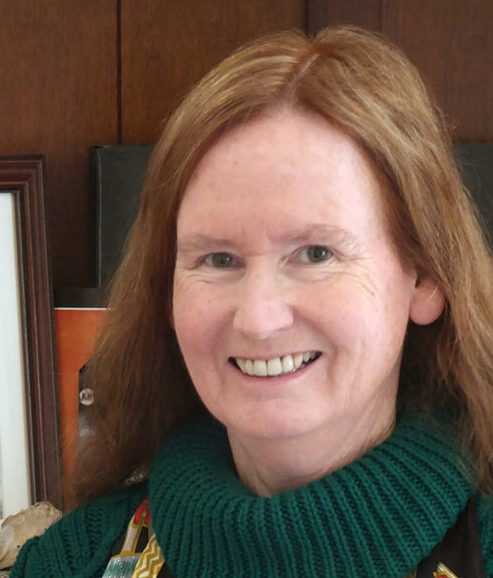 Vanessa MacLaren-Wray writes science fiction and fantasy about people—human and otherwise—connecting in our complex universe. She’s the author of the Patchwork Universe series: All That Was Asked, Shadows of Insurrection, and Flames of Attrition. She also writes for the Truck Stop at the Center of the Galaxy shared-world series and guest-hosts for the podcast Small Publishing in a Big Universe. She’s an active member of the Science Fiction and Fantasy Writers Association, the California Writers Club, and (of course) the WNBA. When not arguing with her cats, she works on new stories, her email journal, Messages from the Oort Cloud, and her website, Cometary Tales.