by B. Lynn Goodwin
lgood67334@comcast.net
www.writeradvice.com
Do you have a piece of writing that you want to share? One of the best ways to get noticed and to build your resume and reputation is to enter your work, including excerpts from a longer work, in writing contests.
Is your work ready to share?
Here’s a list of some of the things a judge might ask:
- Do you care about the main character?
- Are there conflicts?
- Could the plot go in more than one direction?
- Is a setting suggested?
- How is the description?
- How is the pace?
- Is the dialogue believable?
- Is the tone appropriate?
- Given the subject and situation, is there an appropriate balance of dialogue, action, narration, and reflection?
- Will a reader stop paying attention at any point?
- Does the story draw you in or do you feel like you’re outside watching it?
- Would you buy this book or story?
- Will you remember this story tomorrow?
- Is language used effectively?
- Does the author make exceptional use of word choice, imagery?
- Are right and wrong complex? Is there more than one way of looking at the issues?
- Are the characters likeable but flawed? Will readers identify?
- Was the writing clear and accessible, too dense to fathom, or somewhere in between?
If you’re not sure how to answer, check with a trusted writing partner or peer.
How do you find contests that are right for you?
Google, reliable referrals, and news from writer’s organizations are all great places to start. Check the requirements carefully. Then, read one or two winners to see if your writing is something they’re likely to choose.
For example, if you write flash or micro fiction or memoir, WriterAdvice.com hosts a competition here. You can also go to Writeradvice.com and click on the Latest Contest header to find contest information. I host a list of other contests and markets in a variety of genres here.
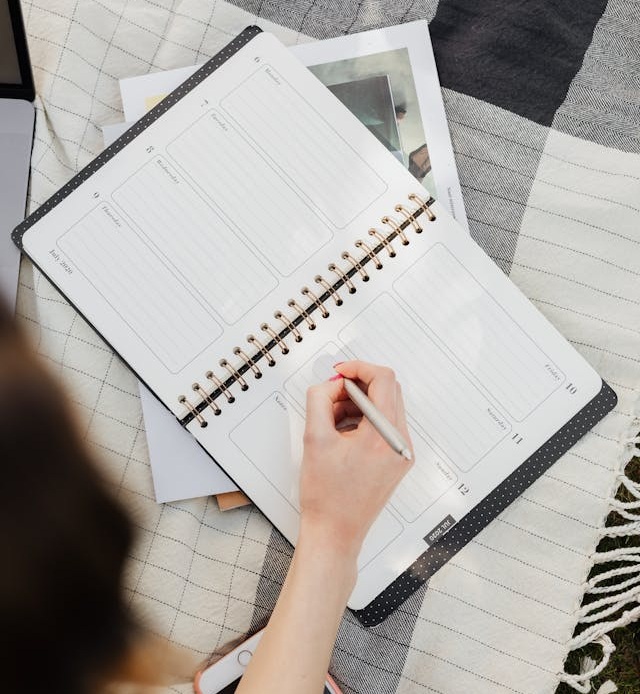 What do you need to do before you submit to a contest that’s right for your writing?
Make a list of the contest’s requirements – all of them. Even the technical ones about whether to include your name and what font to use.
Change the color, or strike through each one, after you’ve made the necessary changes so that you won’t be automatically eliminated.
I’ve had people submit 2,000 words to a Writer Advice contest where the word limit is 750. I e-mail them about their glitch and encourage them to fix the problem. Most contests just eliminate those who don’t follow directions. If your work doesn’t fit, do not submit.
What should you know about contest judges?
Tastes vary. So do opinions.
Get a feel for what each contest wants by reading their submission requests and looking at their website. There are plenty of contests out there.
(Side Note: Contest judges don’t want you to explain your work or ask why you weren’t a winner. If they respond to questions, they might tell you your purpose should have been clearer in the piece.)
Should you ask for feedback if it is available?
Maybe. It depends on who’s giving the feedback, what she’s written, and what his editing background is. Visit the judge’s website and read the opening of her latest publications on Amazon. There’s no charge to read a sample.
When you ask for feedback, keep what’s useful and disregard the rest. Better still, save it because it might make sense later as your skills grow.
I’ve given feedback to more than one author who used it and won elsewhere.
What if no feedback is available?
Submit if you think you meet the criteria. Keep a list of where you’ve submitted for future reference. Then move on. Some contests only respond to winners.
Should you pay to enter a contest?
Opinions vary. I believe that skilled judges and administrators should be compensated for their knowledge and their time.
Some contests have sponsors and don’t need to charge. Some contests are simply looking for material to publish. There’s nothing wrong with paying a professional for her time and her feedback. It’s a service – not a scam.
Be as professional as you can when you submit your work. Be aware that tastes vary. Be willing to put your work out in the world when it feels right.
I’ve been a contest judge for many years at several places, and I speak from experience when I say that, although not every piece is right for every contest, excellence rises to the top.
Author Bio
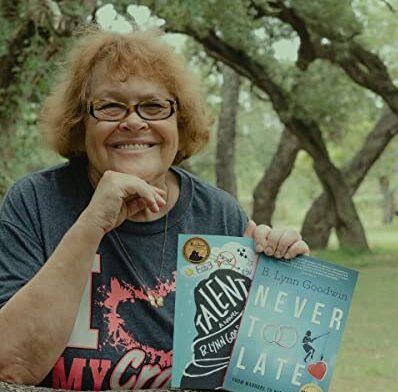 B. Lynn Goodwin wrote three award-winning books, a YA called Talent, a sequel called Disrupted, plus a memoir titled Never Too Late: From Wannabe to Wife at 62. She writes author interviews, book reviews and articles for WriterAdvice, www.writeradvice.com, which she owns, and for Story Circle Network, where she teaches. She is on the boards of Story Circle Network and the Women’s National Book Association—NorCal and is a writing contest judge. She edits every genre except poetry and loves helping writers improve.

 How to Write for Change: Learn to Impact Readers, Communities, Organizations, and the World with Your Book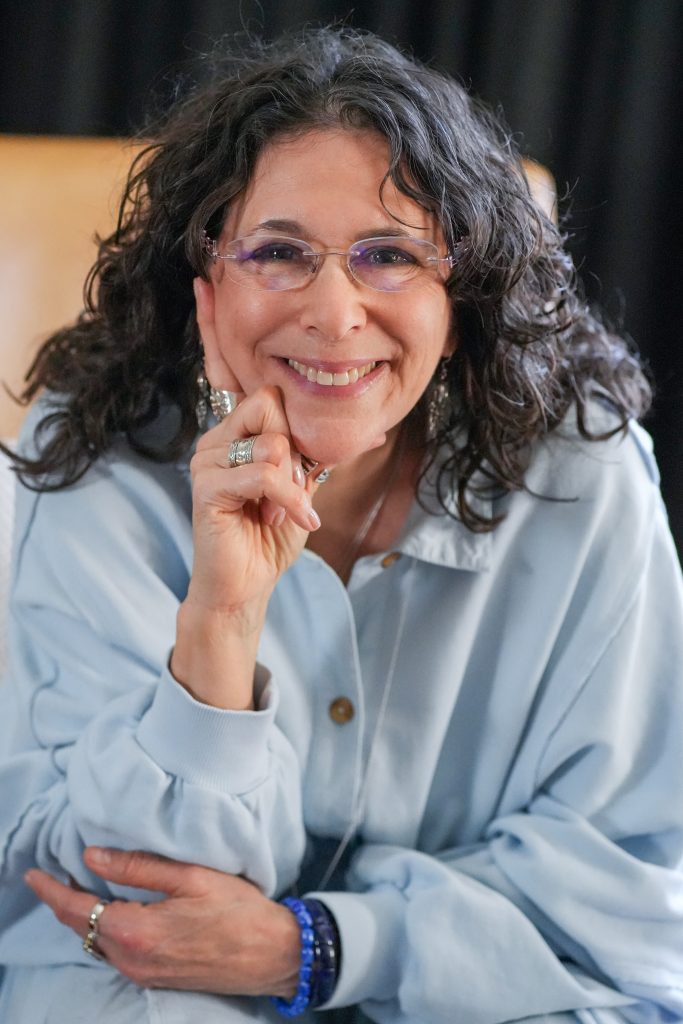


 Debra Eckerling is a goal strategist, author, and book proposal expert who helps writers transform their ideas into sellable book proposals. The founder of The DEB Method for goal-setting simplified, Debra specializes in guiding clients from concept to proposal with clarity, confidence, and direction. Debra is the author of Your Goal Guide: A Roadmap for Setting, Planning and Achieving Your Goals and 52 Secrets for Goal-Setting and Goal-Getting, and hosts The Book Proposal Podcast and Book Proposals Simplified on Substack. She is also a regular contributor to and speaker for
 Brenda Knight, author of Women of the Beat Generation, began her publishing career at HarperCollins working with luminaries including Paolo Coehlo, Marianne Williamson, Mark Nepo, and His Holiness the Dalai Lama. Knight was awarded IndieFab’s Publisher of the Year at the American Library Association in 2014. She is the author of Random Acts of Kindness, Be a Good in the World, and Women of the Beat Generation which won the American Book Award. She is President of WNBA-SF Chapter.
 Kate Farrell, author, storyteller, and educator founded the Word Weaving Storytelling Project and published numerous educational materials on storytelling. She has contributed to and edited award-winning anthologies of personal narrative. Her award-winning new book is a how-to guide on the art of storytelling for adults, Story Power: Secrets to Creating, Crafting, and Telling Memorable Stories. She offers workshops on storytelling and the heroine’s journey for libraries and writing groups
  Debra Eckerling is The Book Proposal Expert, a book proposal specialist who helps authors clarify their message, develop their content, and craft proposals that get noticed. She is the author of Your Goal Guide and 52 Secrets for Goal-Setting and Goal-Getting, host of GoalChat and the Book Proposal Podcast, and the creator of The DEB Method for goal-setting simplified. Debra has spent years helping writers, entrepreneurs, and experts turn their ideas into compelling book plans that get noticed by agents and publishers. Learn more at
  Judy M. Baker is the creator of the Buzzworthy Book Experience. She has coached hundreds of authors, guiding them from “where do I start” to “how do I make money from my books?” since 2011. “Marketing is a conversation and everyone is in sales” are lessons she learned when working with wine pioneer Robert Mondavi. Presentations to the Bay Area Independent Publishers Association, Redwood Writers, Napa Valley Writers, Women’s National Book Association, and the Bay Area Consultants Networks have earned praise. Judy wrote and self-published her first book at 16. Her stories and poetry appear in anthologies from CWC Press, Redwood Writers Press, and Napa Valley Writers. Judy is Immediate Past President of Redwood Writers, the largest chapter of the California Writers Clubs. She also served as president of the Bay Area Independent Publishers Association.
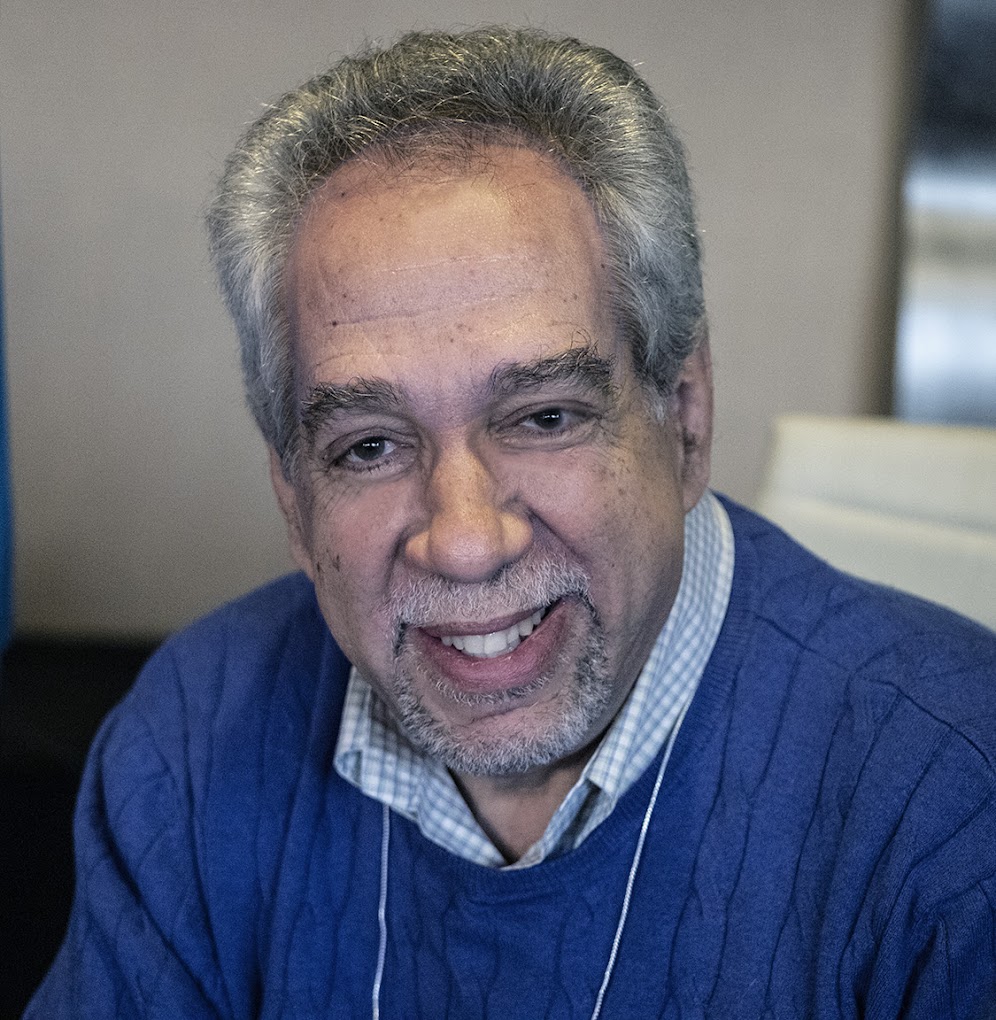 Paul S. Levine “wears two hats:” he is a lawyer (www.paulslevine.com) and a literary agent (www.paulslevinelit.com). Mr. Levine has practiced entertainment law for more than 40 years and established his first solo practice in 1992. Seeing an underserved niche on the West Coast, he decided early on to focus on serving book authors. Seeking to expand the range of services he could offer his clients to include the representation of books, Levine opened The Paul S. Levine Literary Agency in 1996, which he has recently expanded. With a preference for politically and socially important works, he represents more than 200 book authors, the vast majority of whom are new, unpublished, or self-published writers. For Levine, the most rewarding moment is holding his client’s published book in his hands at a well-attended book signing and seeing the smile on his client’s face. Enjoying public speaking and teaching, Levine presents extensively at writers’ conferences throughout the country and at entertainment law-related classes and seminars.
 The Women’s National Book Association is now inviting members to participate as volunteer readers for the 2026 Great Group Reads (GGR) program!
 If you dream of being a published author, this is one event you don’t want to miss! The San Francisco Writers Conference (SFWC) is one of the largest and most top-rated writers’ conferences in the country, and it takes place Feb 12-15, 2026 at the beautiful Hyatt Regency by the waterfront. Better yet, you can now get $100 off when you
  Maybe, like them, you are an activist who regularly works to bring about the change you want to see in the world. Maybe you’ve marched, protested, written letters, or joined forces with others to make a difference.
 Or you can use the power of the Internet. Create a blog and publish posts often and consistently. Share those posts on social media sites. Start groups on Facebook or LinkedIn. Use the power of live video by offering webinars or posting Instagram reels, Facebook Live events, or YouTube videos. You can even start a forum where your followers can gather.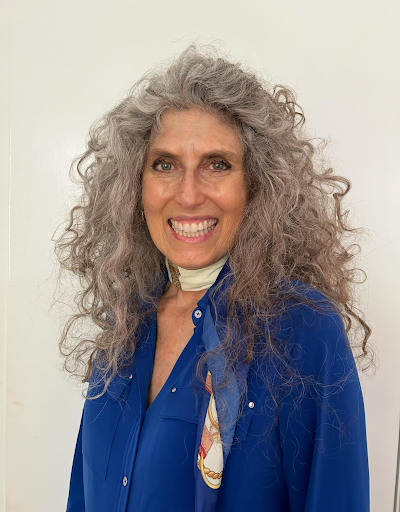
 Each November since 1999, hundreds of thousands of writers around the globe have taken the National Novel Writing Month (NaNoWriMo) challenge. Their goal? Write 50,000 words of fiction in 30 days. NaNoWriMo thrived by creating a global online and in-person community that offered a deadline and a structure that made an impossible goal doable.
 Bestselling author and coach Nita Sweeney “won” NaNoWriMo eighteen times. She