

Happy Wednesday!
REMINDER and CORRECTION-Stranger Fiction: The Art of Crafting Speculative Fiction will take place Thursday night, September 12, from 6-7:30PM NOT 12pm-1pm as previously announced!
Sign up HERE and use the code WNBA for free admission!
Author Panel, Mechanics’ Institute Library
Thursday, September 12, 2024, 6pm-7:30pm
57 Post Street, San Francisco, CA 94104
4th Floor, Chess Room
Free admission for Mechanics’ Institute and WNBA members, $10 tickets for the public
The Women’s National Book Association San Francisco Chapter is thrilled to present this exciting member panel at the Mechanics Institute Library! As our home planet Earth grows ever hotter, crowded, and more polluted, we look to other realms for new hope and relief from our terrain concerns. Thankfully, brilliant minds and bold thinkers have already created places and spaces to which we can journey in books and take armchair travels to new worlds beyond our wildest imagining. These creative writers will discuss their craft and the art of world-building through fiction.
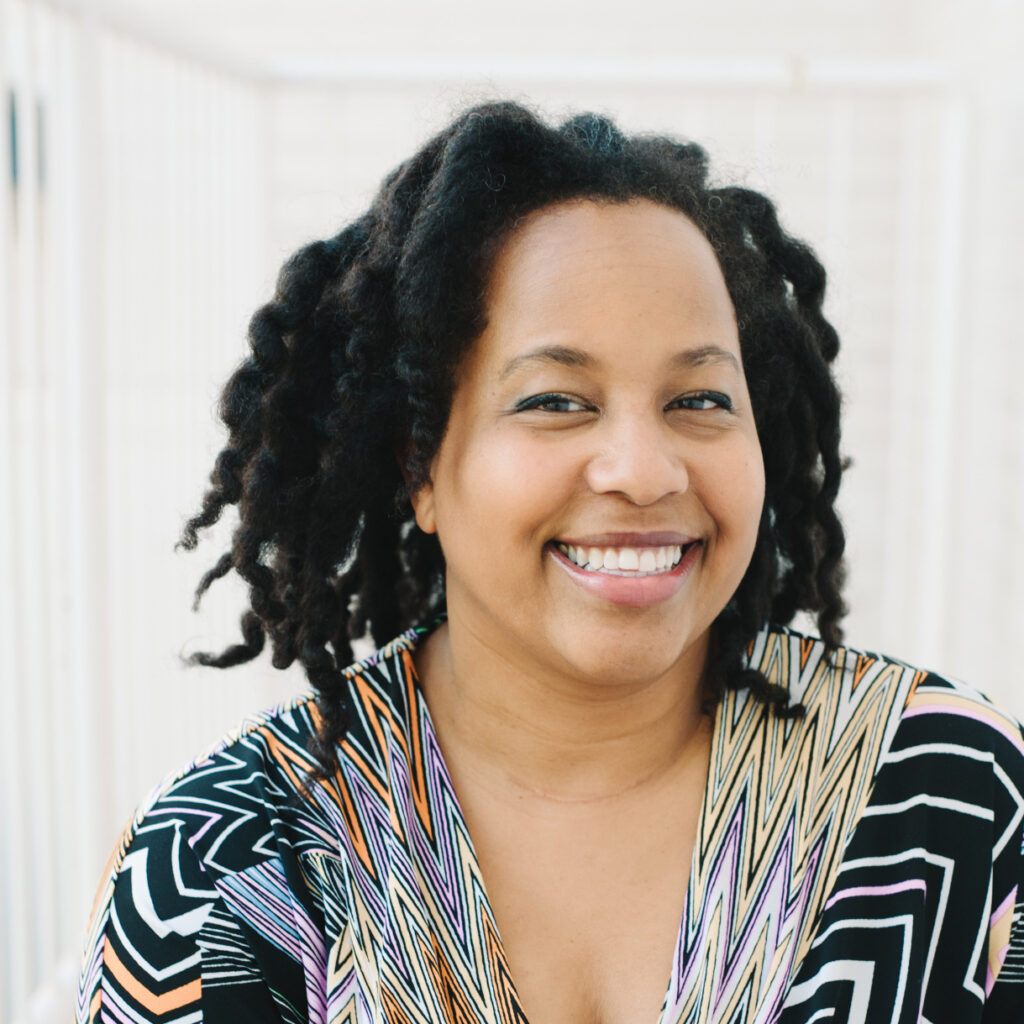 Ellen McBarnette is a lifelong writer whose nonfiction work has been published as testimony, fact sheets, and opinion pieces for organizations that include the Sierra Club and the American Bar Association. A professional storyteller, she is a recent transplant from Washington, DC where she ran the Arlington Creative Nonfiction Writers Group. She now runs the Beta Readers and Writers Group and is an active participant in critique groups in the Bay. She lives in Hayward with her partner Ben and their cat Java.
 Mary Mackey is the New York Times bestselling author of fourteen novels, including The Earthsong Series—four novels which describe how the peaceful Goddess-worshiping people of Prehistoric Europe fought off patriarchal nomad invaders (The Village of Bones, The Year The Horses Came, The Horses at the Gate, and The Fires of Spring). They have made The New York Times and San Francisco Chronicle Bestseller Lists, been translated into twelve foreign languages, and sold over a million and a half copies. She has published several collections of poetry, including Sugar Zone and The Jaguars That Prowl Our Dreams. You can get the latest news about Mary’s books, public appearances, newsletter, and writing advice at marymackey.com.
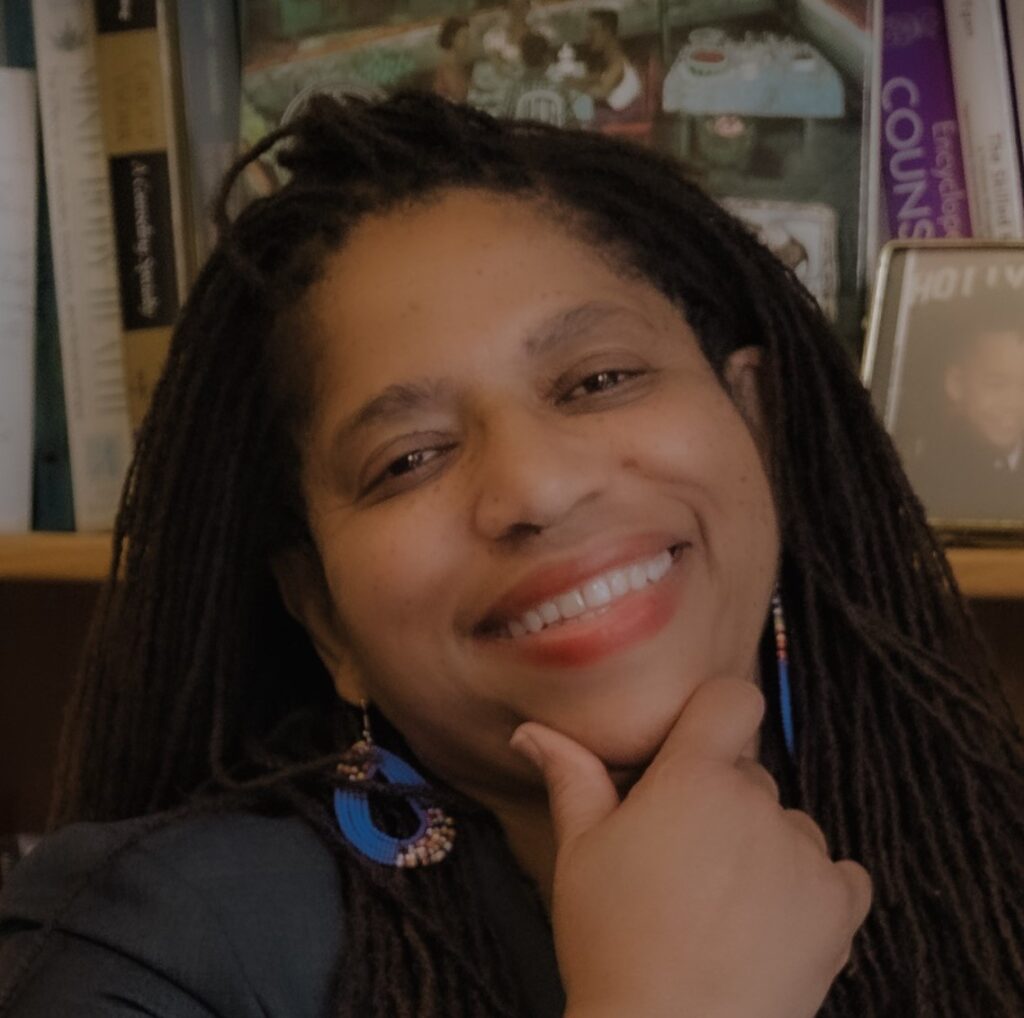 Sheila Smith McKoy, PHD is an award-winning poet, fiction writer, and filmmaker. She is the recipient of the 2020 Muriel Craft Bailey Memorial Prize in poetry. Her poetry collections include The Bones Beneath (Black Lawrence Press, 2024) One Window’s Light: A Haiku Collection, a collaboration of five Black poets; the collection won the 2017 Haiku Society of America’s Merit Book Award for best haiku anthology. In addition to her poetry and fiction, Smith McKoy has authored and edited numerous scholarly works. She focuses on vital conversations about equity, inclusion and the Black speculative. A native of Raleigh, NC, she lives in the San Francisco Bay Area.
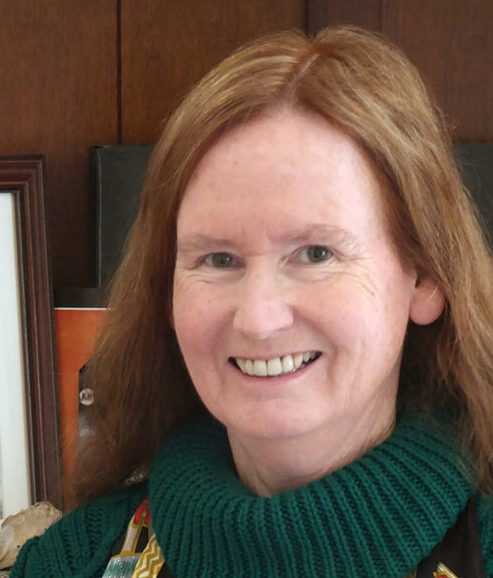 Vanessa MacLaren-Wray writes science fiction and fantasy about people—human and otherwise—connecting in our complex universe. She’s the author of the Patchwork Universe series: All That Was Asked, Shadows of Insurrection, and Flames of Attrition. She also writes for the Truck Stop at the Center of the Galaxy shared-world series and guest-hosts for the podcast Small Publishing in a Big Universe. She’s an active member of the Science Fiction and Fantasy Writers Association, the California Writers Club, and (of course) the WNBA. When not arguing with her cats, she works on new stories, her email journal, Messages from the Oort Cloud, and her website, Cometary Tales.


 Cooking & Food Writing Panel
 How to Get a Book Deal


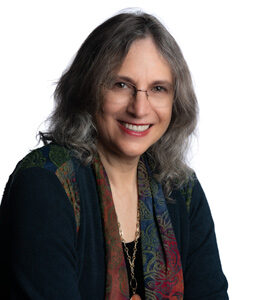


 Celebrity chef Katie Chin, Wok Star Catering, is an award-winning
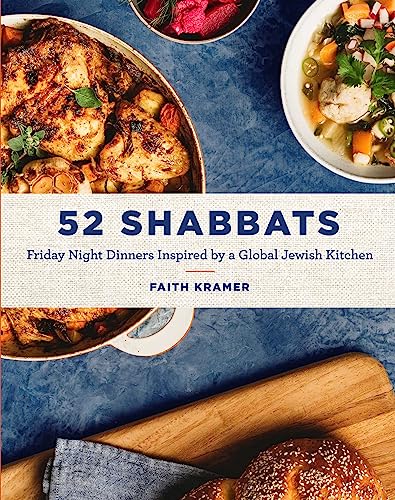
 Faith Kramer is the author of the award-winning “52 Shabbats: Friday Night Dinners Inspired by a Global Jewish Kitchen.”
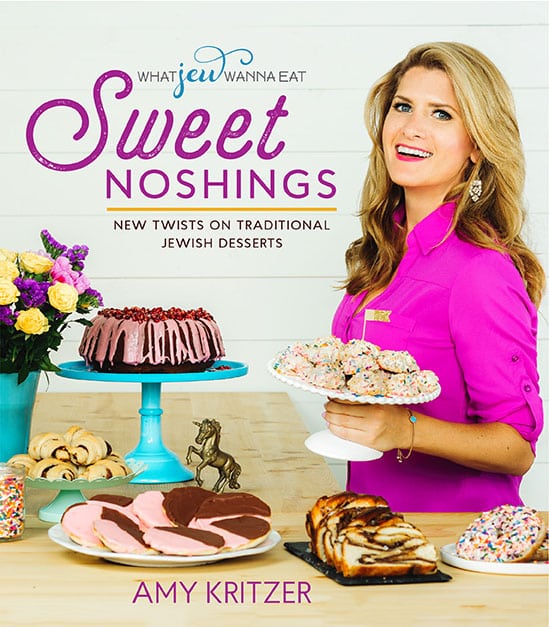
 The networking ambassador for WNBA-SF, Debra Eckerling is an award-winning author and podcaster, food writer, and workshop leader. She is the author of
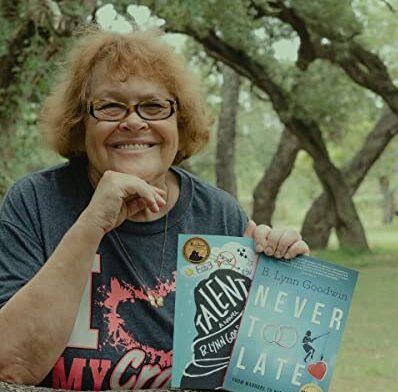
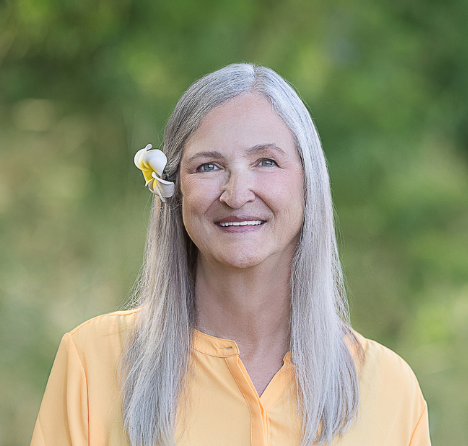 After the deaths of two husbands, as well as the many family members and friends, Emily Thiroux Threatt has much experience in the grieving process and has learned to face life with love, optimism, and joy.
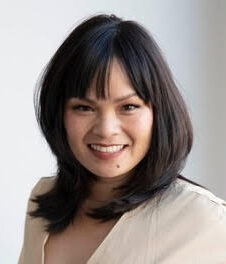 Christina Vo is a writer based in Santa Fe, New Mexico. Her work reflects her commitment to understanding and sharing the complexities of the human experience. Christina’s debut memoir, The Veil Between Two Worlds: A Memoir of Silence, Loss, and Finding Home, demonstrates her ability to weave personal experiences into broader narratives about identity, home, and belonging. Her second book, My Vietnam, Your Vietnam, an intergenerational memoir co-written with her father, was published in April 2024 and recently selected for the Ms. Magazine Most Anticipated Feminist Books of 2024. She has worked internationally for UNICEF in Vietnam, the World Economic Forum in Switzerland, as well as served as a consultant for nonprofits.
 Peter Rubie has been in New York publishing as an agent, editor, and published writer for nearly forty years. He is the CEO of FinePrint Literary Management, an NYC-based literary agency with 5 active agents, and began in publishing working as a freelance reader and freelance editor for major “Big Six” publishers (as they were then) before becoming the adult fiction editor at Walker & Co. from 1985 to 1991. He became an agent in 1992 and formed his own agency in 1998.