Women's National Book Association, San Francisco Chapter

WNBA-SF Chapter

  • Home
  • About
    • WNBA SF Chapter Emphasizes Diversity in Bylaws
      • San Francisco Chapter Bylaws
    • Women’s National Book Association
    • WNBA Award 2023 Interview
  • Join or Renew
  • Benefits of Membership
    • WNBA SF Chapter Board Members
  • 2025 Calendar
  • Contact Us
You are here: Home / Archives for Featured Article Homepage

September 10 – Lunch N Learn: How to Work Best With a Literary Agent

By Admin

How to Work Best With a Literary Agent

Thursday, September 10 at 12 pm PDT

A FREE Virtual Event

Unable to attend? No worries. Register anyway and receive the replay!

Successful collaboration with a literary agent starts long before the contract is signed. Begin by researching agencies carefully so your project matches the kinds of books they represent and the markets they know well. Prepare a professional query letter, a tight synopsis, and a manuscript that has already been revised to the highest standard you can achieve; agents receive hundreds of submissions and quickly set aside work that feels unfinished. Once you have an offer of representation, ask clear questions about communication style, submission strategy, and career vision so both sides understand expectations. After signing, treat the relationship as a true partnership: respond promptly to emails, meet deadlines, share relevant career updates, and remain open to editorial and business feedback. Remember that an agent’s job is to advocate for your work with publishers while guiding the larger arc of your writing career.

Consistency, professionalism, and mutual respect turn a one-book deal into a lasting professional alliance that benefits both author and agent over many years.

  • Research the agent’s preferences and recent sales thoroughly before querying.
  • Submit only polished, complete work that fits their stated interests.
  • Communicate clearly, promptly, and professionally at every stage.
  • View the relationship as a long-term career partnership, not a single transaction.

Meet and learn from these two top agents! Andy Ross offers decades of bookselling wisdom and seeks smart, original work with strong narrative and emotional depth. Laurie McLean brings marketing expertise and specializes in middle-grade, young-adult, and adult genre fiction. Both value polished, compelling projects.

About the Speakers

Andy Ross opened his literary agency in January 2008. Before that, he was the owner for 30 years of the legendary Cody’s Books in Berkeley. The agency represents books in a wide range of subjects including narrative non-fiction, science, journalism, history, religion,  children’s books, young adult, middle grade, literary and commercial fiction, and cooking. However, he is eager to represent projects in most genres as long as the subject or its treatment is smart, original, and will appeal to a wide readership. In non-fiction, he looks for writing with a strong voice and robust narrative arc by authors with the authority to write about their subject. For literary, commercial, and children’s fiction, he has only one requirement– simple, but ineffable–that the writing reveals the terrain of that vast and unexplored country, the human heart. Visit www.andyrossagency.com, www.andyrossagency.wordpress.com.

Laurie McLean spent 20 years as the CEO of a publicity and marketing agency and 8 years as an agent and senior agent at Larsen Pomada Literary Agents in San Francisco. Following a stint as the CEO of a successful Silicon Valley public relations agency bearing her name, Laurie switched gears to immerse herself in writing. She earned a bachelor’s degree in Journalism from the State University of New York and a master’s degree at Syracuse University’s prestigious Newhouse School of Journalism.


To register, please fill out the form below: 

September 10 - How to Work Best With a Literary Agent

September 10 @ 12pm PDT — A FREE WNBASF Virtual Event 

"*" indicates required fields
Your best email address.
Your first name, as it will appear on Zoom when you log in!
Your last name, as it will appear on Zoom when you log in!
WNBA Member?*
How did you find out about this event?*

Join Us! Chill Out & Read: Ice Cream Social and Summer Book Fair

By Admin

 
San Jose Woman’s Club (est. 1894) and Woman’s National Book Association (est. 1917) are co-hosting the Chill Out & Read: Ice Cream Social and Summer Book Fair this Sunday, August 16, 2026 from 1-5pm at their historic landmark clubhouse in downtown San Jose. The event welcomes 30+ Bay Area Authors from bestsellers to breakout novelists and of course FREE Marianne’s ice cream! Check out the list of invited authors and full event schedule! RSVP today at chilloutandreadsj.blogspot.com!
 

Join Us! Pitch-O-Rama 2027 Registration Opens Today

By Admin


Saturday, April 24, 2027, 8:00 A.M. – 1:00 P.M. PT

24 Years of Pitch-O-Rama Success!

Are you developing a concept for a new book? Do you have a manuscript in progress? Are you ready to publish that book you’ve been working on for years? If this sounds like you, we would love to invite you to Pitch-O-Rama 2027! Everyone is welcome to participate!

We are pleased to announce we will be hosting the next Pitch-O-Rama as a virtual event on April 24, 2027, a supportive environment where writers will be given ample opportunity to pitch their works to agents and editors for publication. 

New to Pitch-O-Rama? Pitch-O-Rama is our annual, signature event; we gather a wide range of publishing professionals to share their knowledge of the publishing industry. During the event, you will be able to practice your pitch with coaches and fellow writers and continue to refine your pitch. You’ll then share it with confidence to several experts who will provide advice on taking your writing project to the next level. An opportunity like this is an invaluable learning experience that could put you on the path to publication. We hope to see you participate!

Stay tuned! We will reveal the list of attending agents and editors in early 2027. 

Testimonials from Past Participants

“Pitch-O-Rama was not only helpful, but fun, with lots of laughter, networking, and relevant information. As a newbie, I felt at home and am pitching the WNBA to my friends and colleagues. Go women writers! WNBA, you rock!” – Susan Allison

“I participated in the WNBA-SF Pitch-o-Rama in 2021. At the time, I’d almost completed my memoir, From Junkie to Judge: One Woman’s Triumph Over Trauma and Addiction. I worked hard on my pitch and three of the agents asked me to submit to them. Several months later, with the manuscript polished and ready to go, I did so. Even though other agents were interested, I signed with Anne Marie O’Farrell, whom I had met via the WNBA event. Working with both Anne Marie and Caroline Fanelli at her agency, I added an appendix to the manuscript, and they started submitting. Less than three months later, I signed with HCI (Health Communications Inc.), which specializes in recovery and self-help books.” – Mary Beth O’Connor

“I will always be incredibly grateful to WNBA for the Pitch-O-Rama. Several years ago, I was struggling to get an agent. I had a toddler at home, and I was sure I had missed the boat. Here in the Bay Area, there are many talented writers, but very little access to literary agents. There were big pitch conferences in New York and other parts of the US. But at the time, I couldn’t travel because I had such limited time and money as a new mom. I was pining away on my computer, querying agents and drowning in the isolation. I found out about the Pitch-O-Rama, and immediately registered.” – Aya De Leon

Special Pricing

Currently, registration will be $99 for WNBA-SF members and $149 for non-members so don’t wait to register! If you’d like to take advantage of member pricing, visit our website to learn more about the benefits of WNBA-SF membership and join the chapter’s community!

Your registration is fully refundable before midnight Thursday, April 15, 2027. Send your request for a refund to: registrar@wnba-sfchapter.org. 

While we eagerly prepare for Pitch-O-Rama 2027, don’t forget to read our tips on pitching your work!

Please register for POR 2027 using the form below:

2027 WNBA-SF Virtual Pitch-O-Rama, April 24th

"*" indicates required fields

MM slash DD slash YYYY
Name*
Address*
Select your membership status below and the method of payment will appear with the price.
Are you a current WNBA-SF (San Francisco chapter) member?*
The price for the event will appear below when you choose one.
Payment Options for Members*
Payment options for WNBA members
Payment Options for Non-Members*
Payment options for WNBA non-members
Credit card and Paypal Payment-Pitch-O-Rama WNBA Member Price
Credit card and Paypal Payment-Pitch-O-Rama NON-WNBA Member Price
I will be attending the morning coaching session (8:00 A.M. - 8:30 A.M. PST)
Please email registrar@wnba-sfchapter.org if you have any issues with this form. Thank you!

The Power & Purpose of Journaling for Authors & Writers

By Admin

By Lynda Monk, MSW, RSW, CPCC

Every writer knows the feeling when you sit down to work on the novel, the essay, the memoir, and instead of words, you get static or feel stuck. The inner critic shows up first. The doubt shows up second. It can feel like the actual writing that matters seems to wait somewhere just out of reach.

Here’s what twenty-five plus years of working with writers, creatives, coaches, and helping professionals has taught me …the way through that static isn’t more discipline or a better outline. It’s a private, unpolished, judgment-free page. It’s your journal.

Journaling and “real” writing are often treated as separate activities as if one is for feelings and the other is for craft. I believe that separation sells journaling short. Used intentionally, your journal isn’t a warm-up act before the writing begins. It is part of the writing. It’s where your voice gets expressed freely and where your truest draft might actually live.

I have been an avid journal writer, and at times a sporadic journaler (which is also fine), all my adult life. Journaling has helped me write books, prevent burnout as a social worker, explore issues related to my identity as an adoptee, and so much more. The transformative power of journaling is also at the heart of my work as leader of the International Association for Journal Writing (IAJW.org).

Why Every Writer Needs a Private Page

Published writing is, by necessity, shaped for an audience. You’re thinking about structure, pacing, what the reader needs to know and when. That’s valuable work but it’s also work that happens under observation, even if the observer is only the version of you that imagines future readers.

A journal removes the audience. There’s no one to please, impress, or explain yourself to and that absence of an audience is exactly what makes it powerful. When you’re not performing on the page, you write differently. You write truer and freer. You stop reaching for the clever phrase and start reaching for the honest one and honest is almost always more interesting.

This is why so many working writers keep a journal alongside their "real" writing, not instead of it. It’s not a lesser cousin to the manuscript. It’s the foundation that both you as the writer, and the project you are working on, can grow out of. Journaling can be a powerful practice for both your personal and professional growth as a writer.

How Journaling Sharpens Your Writing Craft

The reality is journaling is writing. It is using the written word to express your thoughts, feelings and experiences in your life. It is a meaning making practice. The more we write the better we get at writing. This simple truth is part of the reason journaling can help you sharpen your writing craft and skills.

I believe, and have witnessed in my own writing and that of others, many concrete benefits of journaling for writers including the following:

Journaling builds fluency. Writing regularly, even badly, even in fragments, keeps your writing muscle warm. Writers who journal daily report far less friction when they sit down to their "real" work, because they haven't neglected the act of writing in their lives.

Journaling trains observation. A journal is a place to practice noticing. For example, you might notice the exact color of a sky, the specific thing someone said, the small detail that reveals character. That noticing transfers directly into scene-building, dialogue, and description in other writing projects. Journaling creates distance from perfectionism. Because a journal entry was never meant to be shown to anyone, it lowers the stakes. When the stakes are lower, our nervous system can calm and the internal editor quiets down. Many writers discover their strongest, most alive sentences not in a polished chapter but in a scrawled journal entry they never intended anyone to see. Journaling is about the process and not about the product or perfectionism!

Journaling helps you metabolize what happens to you. Writing is fed by lived experience, and unprocessed experience tends to stay stuck rather than becoming material. A journal gives you a place to move difficult or complicated experiences through you and, often, into your work. It is a place to write to know, grow, and care for yourself. This not only supports your other writing, it supports you as an individual.

How Journaling Helps You Know What You Want to Say

Many writers don’t struggle with how to write. They struggle with knowing what they want to say. This is where journaling does some of its most important work.

A journal is a discovery tool, not just a record-keeping one. When you write without an agenda, without trying to be right, consistent, or profound, you often surprise yourself. Themes you didn’t know you cared about start repeating. Questions you didn’t realize you were asking start showing up on the page, again and again, until they’re impossible to ignore and you start to see what they have to offer you.

This is how a journal becomes a compass. It won’t hand you a finished thesis or a tidy premise but it will show you, over time, what keeps pulling at you and that pull is usually the real material. The book, the essay, the story you’re actually meant to write is rarely the one you planned. It’s the one that keeps showing up in the private pages of your journal, insisting on your attention.

5 Simple Journaling Practices to Try

You don’t need a special approach to start or benefit from journaling. A few reliable practices can keep you going, for example:

  • Mindful moments. Sometimes people don’t know where to start with journaling. My favorite place to start is in the present moment. You can use simple mindful prompts such as “Right now, I feel …” or “Right now, I notice …” and use these sentence starters to begin your journaling.
  • The unsent letter. Write to someone, living, gone, real, or imagined, saying the thing you’d never actually send. This is a powerful way to practice self-expression and access new material that might be sitting just beneath the surface of your awareness.
  • Follow the repetition. Re-read a few weeks of journal entries and circle any word, image, or worry that keeps reappearing. That repetition is often pointing you toward your real subject.
  • Five-minute free writes. Set a timer, pick a single prompt or image, and write without stopping or editing until the timer ends. Momentum matters more than quality here.
  • The “what I’m not writing about” entry. Ask yourself directly, what am I avoiding putting on the page? Or what is that I don’t want to write about? Then write towards it, even briefly, and see where the journaling takes you.

None of these writing activities needs to be elegant. The goal isn’t a good journal entry. The goal is an honest one. The purpose is to put pen to page as freely, openly and honestly as you can. The benefits of doing such will begin to appear.

Bring the Page with You

Journaling won’t replace the discipline of drafting, revising, and finishing a piece of work. As writers, we all know nothing replaces that. However, journaling does something very important that drafting alone can’t – it keeps you connected to your own voice while you do the harder, more public work of shaping something for readers

If you take one thing from this, let it be this … your journal isn’t separate from your writing life. It’s the root system underneath it. The more you tend it, the more it can support everything else you write. The more it can nourish you as a writer!

I’ll be exploring how journaling can help you unlock the writer within along with a set of practices you can start using immediately — in my upcoming workshop for WNBA on the power of journaling for authors. I hope you’ll join me there.

Visit the event page to register today!

About the Author

Lynda Monk, MSW, RSW, CPCC is an author, speaker, registered social worker, certified professional coach, and Director of the International Association for Journal Writing (IAJW.org). For more than 30 years, she has helped people harness the power of writing for self-discovery, healing, creativity, and personal growth. Lynda is a recognized leader in the field of journaling and co-editor of The Great Book of Journaling and Transformational Journaling for Coaches, Therapists, and Clients. She is also the author of The Adoptee’s Guide to Healing, Wholeness & Growth. Through her workshops, courses, and global journaling community, Lynda inspires people to connect more deeply with themselves, their stories, and their creative potential.

September 24 – Lunch N Learn: The Power of Journaling for Women Writers

By Admin

The Power of Journaling for Women Writers

Thursday, September 24 at 12 pm PDT

A FREE Virtual Event

Unable to attend? No worries. Register anyway and receive the replay!


What if the most important writing you do is the writing no one else ever reads?

In this inspiring and practical presentation, author, journal writing expert, and Director of the International Association for Journal Writing, Lynda Monk explores how journaling can become a powerful ally for women writers. Far more than a place to record daily events, journaling is a creative sanctuary where ideas are born, resilience is strengthened, and authentic voice emerges. These things matter for us as women writers!

Drawing on 30+ years of experience helping people access the healing and transformational power of writing, Lynda shares how reflective journaling can help writers deepen self-awareness and live a truly self-expressed life. Participants will discover simple yet profound journaling practices that support both the writing life and personal well-being all at once.

Whether you are an aspiring author, seasoned writer, or someone longing to write more freely, this session will leave you inspired to pick up your pen and uncover the wisdom, stories, and possibilities waiting within.

Lynda has a tattoo on her forearm that is an image of her own handwriting, that originally appeared in the pages of her journal. It reads: “Anything is possible.” In this session, you will learn journaling as a tool to explore the art of the possible in your writing and in your life!

Participants will learn:

  • How journaling enhances creativity and strengthens your writing voice
  • Ways journaling can help overcome perfectionism and writer’s block
  • Practical journaling techniques to support your writing life and well-being too

Come discover why your journal may be one of the most valuable writing companions you’ll ever have.

About the Presenter

Lynda Monk, MSW, RSW, CPCC is an author, speaker, registered social worker, certified professional coach, and Director of the International Association for Journal Writing (IAJW.org). For more than 30 years, she has helped people harness the power of writing for self-discovery, healing, creativity, and personal growth. Lynda is a recognized leader in the field of journaling and co-editor of The Great Book of Journaling and Transformational Journaling for Coaches, Therapists, and Clients. She is co-author of Writing Alone Together: Journaling in a Circle of Women for Creativity, Compassion & Connection. Lynda is also the author of The Adoptee’s Guide to Healing, Wholeness & Growth. Through her workshops, courses, and global journaling community, Lynda inspires people to connect more deeply with themselves, their stories, and their creative potential and well-being.


To register, please fill out the form below: 

September 24 - The Power of Journaling for Women Writers

September 24 @ 12pm PDT — A FREE WNBASF Virtual Event 

"*" indicates required fields
Your best email address.
Your first name, as it will appear on Zoom when you log in!
Your last name, as it will appear on Zoom when you log in!
WNBA Member?*
How did you find out about this event?*

August 13 – Substack for Authors with Jim Fuhs and Alexandra Hidalgo

By Admin

Substack for Authors with Jim Fuhs and Alexandra Hidalgo

Thursday, August 13 at 12 pm PDT

A FREE Virtual Event

Unable to attend? No worries. Register anyway and receive the replay!

Substack is a great option for authors seeking to build their platform, connect with readers, and share their expertise … even before they get a book deal. More than a newsletter, it is a publishing platform that allows writers to develop relationships, cultivate community,  and increase visibility, making them more appealing to agents and publishers.

Join the Women’s National Book Association San Francisco Chapter on Thursday, August 13 at 12:00 p.m. PT for a Lunch & Learn exploring how authors can leverage Substack to support their writing, publishing, and marketing goals. Discover strategies for creating engaging content, growing your readership, and making Substack an integral part of your author platform.

Featured speakers Jim Fuhs and Alexandra Hidalgo each bring a unique perspective to Substack. Through Jim’s Writing and Video Journey, Jim shares practical insights on content creation, video, livestreaming, and authentic community building. Alexandra’s Love in Many Genres blends personal storytelling with cultural commentary, demonstrating how authors can create meaningful conversations that keep readers coming back. Together, they’ll share practical ideas and real-world experiences to help you make the most of the platform.

The discussion will be facilitated by WNBA-SF Networking Ambassador Debra Eckerling, The Book Proposal Expert, author of 52 Secrets for Goal-Setting and Goal-Getting and Your Goal Guide, and publisher of the Book Proposals Simplified Substack. 

Bring your lunch and your questions for an engaging conversation about using Substack to amplify your voice, strengthen your author platform, and create lasting connections with readers.

About the Speakers and Moderator

Jim Fuhs is a Marine Corps veteran turned digital marketing strategist. He’s the President and COO of Fuhsion Marketing and brings over 20 years of military leadership into the fast-moving world of content creation, livestreaming, and strategy. Jim co-hosts the award-winning ‘Dealcasters Live’ on Amazon, and he’s known for combining military precision with marketing innovation to help brands grow smarter.  From the battlefield to the broadcast booth — Jim’s got a playbook for building authentic communities. Follow Jim’s Writing and Video Journey on Substack. 

Alexandra Hidalgo left Venezuela for the US at 16, and she’s an endowed associate professor and Crow Chair of English at the University of Pittsburgh. Her writing and documentaries have been featured in The Hollywood Reporter, IndieWire, NPR, The Criterion Collection, and Women and Hollywood. She writes about relationships across time and distance on her Love in Many Genres Substack and analyzes big-hearted books, movies, and TV shows on her Love Them Tender YouTube channel.

Debra Eckerling is a goal strategist, author, and book proposal expert who helps writers, entrepreneurs, and consultants transform their ideas into sellable books. The founder of The DEB Method for goal-setting simplified, Debra specializes in guiding clients from concept to proposal with clarity, confidence, and direction. Debra is the author of Your Goal Guide: A Roadmap for Setting, Planning and Achieving Your Goals and 52 Secrets for Goal-Setting and Goal-Getting, and hosts GoalChat, The Book Proposal Podcast, and Book Proposals Simplified on Substack. She is also a regular contributor to and speaker for WritersDigest.com. Learn more at TheBookProposalExpert.com and connect with Debra on LinkedIn.
 

To register, please fill out the form below: 

Registration is now closed. Visit our homepage to sign up for email notifications and never miss a WNBA-SF event!

August 27 – Comp-a-palooza with Brenda Knight and Debra Eckerling

By Admin

Comp-a-palooza Lunch N Learn with Brenda Knight and Debra Eckerling

Thursday, August 27 at 12 pm PDT

A FREE Virtual Event

Unable to attend? No worries. Register anyway and receive the replay!

Comparative titles (or “comps”) are one of the most important tools for positioning and selling your book. They help agents and publishers understand where your book fits in the marketplace, who it’s for, and why readers will buy it. You need them for pitches and queries (fiction and nonfiction), as well as nonfiction book proposals. 
 
Join the Women’s National Book Association San Francisco Chapter on Thursday, August 27 at 12:00 p.m. PT for Comp-a-Palooza, a Lunch & Learn focused on finding and positioning comp titles for your work-in-progress. WNBA-SF Chapter President Brenda Knight (Publisher, Books That Save Lives) and Networking Ambassador Debra Eckerling (The Book Proposal Expert) will guide you through one of the most important elements of the book pitch.

Discover:

  • What makes a strong comparative title (and what doesn’t)
  • How to find books that position your idea effectively 
  • What agents, publishers, booksellers and sales reps are looking for
  • Which common mistakes to avoid when selecting comps
  • And more!

No matter where you are in your work-in-progress, this session will demystify comps, while giving you practical insights to help position your book.

About the Speakers

Brenda Knight, author of Women of the Beat Generation, began her publishing career at HarperCollins working with luminaries including Paolo Coehlo, Marianne Williamson, Mark Nepo, and His Holiness the Dalai Lama. Knight was awarded IndieFab’s Publisher of the Year at the American Library Association in 2014. She is the author of Random Acts of Kindness, Be a Good in the World, and Women of the Beat Generation which won the American Book Award. She is President of WNBA-SF Chapter.

Debra Eckerling is The Book Proposal Expert, a book proposal specialist who helps authors clarify their message, develop their content, and craft proposals that get noticed. She is the author of Your Goal Guide and 52 Secrets for Goal-Setting and Goal-Getting, host of GoalChat and the Book Proposal Podcast, and the creator of The DEB Method for goal-setting simplified. Debra has spent years helping writers, entrepreneurs, and experts turn their ideas into compelling book plans that get noticed by agents and publishers. Learn more at TheBookProposalExpert.com and connect with Debra on LinkedIn.

Need extra support? Brenda and Debra also offer Pitch Clinic office hours for authors who want additional guidance refining their pitches, positioning their books, and preparing for the next step in their publishing journey.

To register, please fill out the form below: 

August 27 - Comp-a-palooza with Brenda Knight and Debra Eckerling

August 27 @ 12pm PDT — A FREE WNBASF Virtual Event 

"*" indicates required fields
Your best email address.
Your first name, as it will appear on Zoom when you log in!
Your last name, as it will appear on Zoom when you log in!
WNBA Member?*
How did you find out about this event?*

WNBA Promotional Program: The EASIEST Way to Market Your Book on a Budget

By Admin

WNBA logoMany of us know that book marketing can be expensive and overwhelming, but it doesn’t have to be.
As a Women’s National Book Association member, you have access to affordable and professional-level promotional services — for less than the cost of a dinner out.

The WNBA Member Books program provides year-round visibility and support from the national community for only $30 per year. That’s less than ten cents a day.

Here’s what you’ll get when you join:

  • A personalized ad with up to 3 of your book titles and an author photo to connect with readers
  • Your Featured Book displayed on every major page of the WNBA national website
  • A link to a website of your choice
  • A full year of advertising

This program was created exclusively to help WNBA authors gain exposure without the high price tag of traditional marketing.

To participate, pay via check or PayPal on the WNBA website here, complete the enrollment form, and email the completed form, along with up to three book cover images, your website link, and your author photo, to promo@wnba-books.org.

If you’ve been looking for an easy, budget-friendly way to spread the word about your book, this is it.

Take advantage of this exclusive member opportunity and put your work in front of the readers, writers, and industry professionals who visit the national WNBA website every day!

Ready to showcase your book? Join the Member Books program here.

Build Your Writing Resume (and Maybe Your Bank Account)

By Admin

by B. Lynn Goodwin
lgood67334@comcast.net
www.writeradvice.com

Do you have a piece of writing that you want to share? One of the best ways to get noticed and to build your resume and reputation is to enter your work, including excerpts from a longer work, in writing contests.

Is your work ready to share?

Here’s a list of some of the things a judge might ask:

  • Do you care about the main character?
  • Are there conflicts?
  • Could the plot go in more than one direction?
  • Is a setting suggested?
  • How is the description?
  • How is the pace?
  • Is the dialogue believable?
  • Is the tone appropriate?
  • Given the subject and situation, is there an appropriate balance of dialogue, action, narration, and reflection?
  • Will a reader stop paying attention at any point?
  • Does the story draw you in or do you feel like you’re outside watching it?
  • Would you buy this book or story?
  • Will you remember this story tomorrow?
  • Is language used effectively?
  • Does the author make exceptional use of word choice, imagery?
  • Are right and wrong complex? Is there more than one way of looking at the issues?
  • Are the characters likeable but flawed? Will readers identify?
  • Was the writing clear and accessible, too dense to fathom, or somewhere in between?

If you’re not sure how to answer, check with a trusted writing partner or peer.

How do you find contests that are right for you?

Google, reliable referrals, and news from writer’s organizations are all great places to start. Check the requirements carefully. Then, read one or two winners to see if your writing is something they’re likely to choose.

For example, if you write flash or micro fiction or memoir, WriterAdvice.com hosts a competition here. You can also go to Writeradvice.com and click on the Latest Contest header to find contest information. I host a list of other contests and markets in a variety of genres here.

What do you need to do before you submit to a contest that’s right for your writing?
Make a list of the contest’s requirements – all of them. Even the technical ones about whether to include your name and what font to use.

Change the color, or strike through each one, after you’ve made the necessary changes so that you won’t be automatically eliminated.

I’ve had people submit 2,000 words to a Writer Advice contest where the word limit is 750. I e-mail them about their glitch and encourage them to fix the problem. Most contests just eliminate those who don’t follow directions. If your work doesn’t fit, do not submit.

What should you know about contest judges?

Tastes vary. So do opinions.

Get a feel for what each contest wants by reading their submission requests and looking at their website. There are plenty of contests out there.

(Side Note: Contest judges don’t want you to explain your work or ask why you weren’t a winner. If they respond to questions, they might tell you your purpose should have been clearer in the piece.)

Should you ask for feedback if it is available?

Maybe. It depends on who’s giving the feedback, what she’s written, and what his editing background is. Visit the judge’s website and read the opening of her latest publications on Amazon. There’s no charge to read a sample.

When you ask for feedback, keep what’s useful and disregard the rest. Better still, save it because it might make sense later as your skills grow.

I’ve given feedback to more than one author who used it and won elsewhere.

What if no feedback is available?

Submit if you think you meet the criteria. Keep a list of where you’ve submitted for future reference. Then move on. Some contests only respond to winners.

Should you pay to enter a contest?

Opinions vary. I believe that skilled judges and administrators should be compensated for their knowledge and their time.

Some contests have sponsors and don’t need to charge. Some contests are simply looking for material to publish. There’s nothing wrong with paying a professional for her time and her feedback. It’s a service – not a scam.

Be as professional as you can when you submit your work. Be aware that tastes vary. Be willing to put your work out in the world when it feels right.

I’ve been a contest judge for many years at several places, and I speak from experience when I say that, although not every piece is right for every contest, excellence rises to the top.

Author Bio
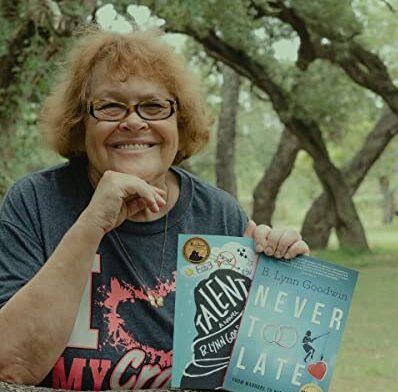
B. Lynn Goodwin wrote three award-winning books, a YA called Talent, a sequel called Disrupted, plus a memoir titled Never Too Late: From Wannabe to Wife at 62. She writes author interviews, book reviews and articles for WriterAdvice, www.writeradvice.com, which she owns, and for Story Circle Network, where she teaches. She is on the boards of Story Circle Network and the Women’s National Book Association—NorCal and is a writing contest judge. She edits every genre except poetry and loves helping writers improve.

Calling Book Lovers: Read for Free and Make a Difference in 2026!

By Admin

The Women’s National Book Association is now inviting members to participate as volunteer readers for the 2026 Great Group Reads (GGR) program!

As a volunteer, you’ll help the WNBA curate a list of outstanding books for book clubs, libraries, classrooms, and readers nationwide. The final list is shared with booksellers, librarians, reading groups, and literary organizations across the country. As a volunteer reader, you’ll help shape community discussions in the year to come.

Why Participate?

Serving as a Great Group Reads is a rewarding opportunity to:

  • Contribute your insight and perspective to a nationally recognized WNBA program
  • Help shape a list that reaches readers and book groups across the country
  • Enjoy books provided free of charge and shipped directly to your home

What’s Involved?

WNBA members selected as GGR readers are expected to:

  • Read approximately 20–25 books between February and July 2026
  • Read some titles in e-book format, as not all titles are available in print
  • Share thoughtful feedback via a private committee blog

Participants must be WNBA members in good standing, with dues paid by March 2026.

Interested?

If you’d like to participate, or want more details about the process and time commitment, please email ggr@wnba-books.org for more information.

Let’s build a strong, engaged Great Group Reads committee for 2026 and continue WNBA’s tradition of championing excellent books by women authors!

Next Page »

Get the latest blog posts and news. Sign up here.

Join or Renew


Mailing Address
WNBA-SF Chapter
4061 E. Castro Valley Blvd.
Castro Valley, Ca
94552-4840

Topics

Contact Us

Contact Us
Click Here 

Social Media

  • Facebook
  • Twitter

Copyright © 2026• WNBA-SF Chapter | AskMePc-Webdesign