
Saturday, April 25, 2026, 8:00 A.M. – 1:00 P.M. PT
23 Years of Pitch-O-Rama Success!
 Are you developing a concept for a new book? Do you have a manuscript in progress? Have you always wanted to publish that book you’ve been working on for years? If this sounds like you, we would love to invite you to Pitch-O-Rama 2026! Everyone is welcome to participate!
We are happy to announce we will be hosting the next Pitch-O-Rama as a virtual event on April 25th, 2026, where writers will be given the opportunity to pitch their works to agents and editors for publication.
New to Pitch-O-Rama? Pitch-O-Rama is an annual event where we bring in a set of publishing professionals to share their knowledge of the publishing industry. During the event, you will be able to practice your pitch with coaches and fellow writers, and then share that pitch with an expert who will provide advice on taking your writing project to the next level. A chance like this is an invaluable learning experience that could put you on the path to publication. We hope to see you there!

Testimonials from Past Participants
“Pitch-O-Rama was not only helpful, but fun, with lots of laughter, networking, and relevant information. As a newbie, I felt at home and am pitching the WNBA to my friends and colleagues. Go women writers! WNBA, you rock!” – Susan Allison
“I participated in the WNBA-SF Pitch-o-Rama in 2021. At the time, I’d almost completed my memoir, From Junkie to Judge: One Woman’s Triumph Over Trauma and Addiction. I worked hard on my pitch and three of the agents asked me to submit to them. Several months later, with the manuscript polished and ready to go, I did so. Even though other agents were interested, I signed with Anne Marie O’Farrell, whom I had met via the WNBA event. Working with both Anne Marie and Caroline Fanelli at her agency, I added an appendix to the manuscript, and they started submitting. Less than three months later, I signed with HCI (Health Communications Inc.), which specializes in recovery and self-help books.” – Mary Beth O’Connor
“I will always be incredibly grateful to WNBA for the Pitch-O-Rama. Several years ago, I was struggling to get an agent. I had a toddler at home, and I was sure I had missed the boat. Here in the Bay Area, there are many talented writers, but very little access to literary agents. There were big pitch conferences in New York and other parts of the US. But at the time, I couldn’t travel because I had such limited time and money as a new mom. I was pining away on my computer, querying agents and drowning in the isolation. I found out about the Pitch-O-Rama, and immediately registered.” – Aya De Leon
Special Pricing
Currently, as part of our Early Bird Special, register for only $85 as a WNBA-SF member and $130 as a non-member before it expires on January 31st, 2026. After that day, registration will be $95 for WNBA-SF members and $145 for non-members so don’t wait to register! If you’d like to take advantage of member pricing, visit our website to learn more about the benefits of WNBA-SF membership and join the chapter’s community!
Before 1/31/2026: $85 for WNBA-SF members, $130 for non-members
After 1/31/2026: $95 for WNBA-SF members, $145 for non-members
To register, please visit the event page and fill out the form at the bottom of the page!
Remember to follow WNBA-SF on Instagram @wnba_sanfrancisco to stay connected and current on our events, interviews, and other activities!
OCTOBER EVENTS
 Debunking Myths of Hybrid Publishing
Thursday, October 16 at 12 – 1pm PDT
A FREE Virtual Event: REGISTER HERE
Unable to attend? No worries. Register anyway and receive the replay!
To register, please visit the event page and fill out the form at the bottom of the page!
 Making AI & Publishing Less Scary: Discussion + Halloween Mixer
Thursday, October 30 at 12 – 1pm PDT
A FREE Virtual Event: REGISTER HERE
Unable to attend? No worries. Register anyway and receive the replay!
Artificial Intelligence (“AI”) is casting a long shadow over the creative world. But when modern technology meets outdated federal (copyright and trademark) and state (right of publicity and defamation) law, things can get a little… frightening.
Join WNBA-SF for a spine-tingling discussion with Paul Levine, a literary agent and seasoned entertainment lawyer with 43 years of practice and Adjunct Professor of Entertainment Law at USC Gould School of Law.
Discover the tricks and treats of how AI is haunting the world of book publishing—and what authors and creatives need to know to protect their work.
Stick around for WNBA-SF’s annual Halloween Mixer, where you can share your scary publishing stories around the virtual campfire.
It’s a mixer, so invite a literary friend or two. Bring your own s’mores. Costumes optional.
About the Speaker
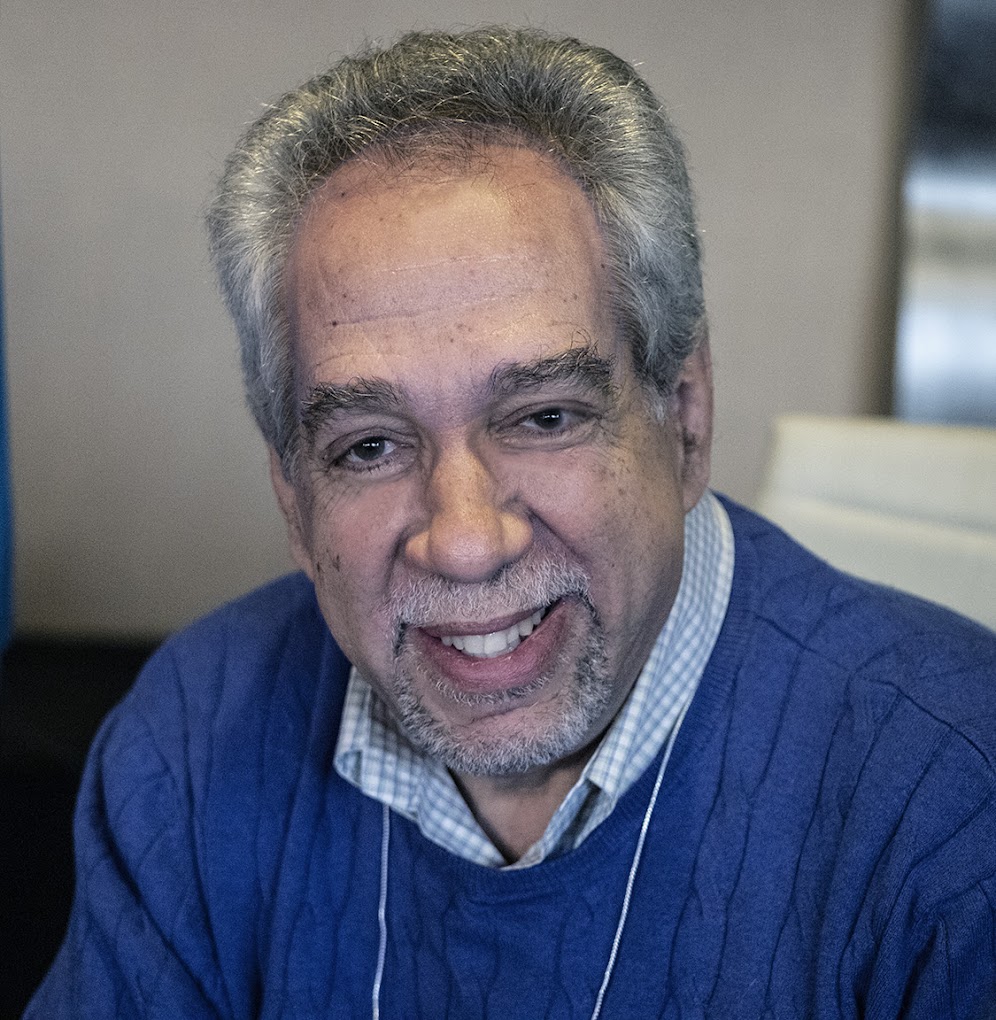 Paul S. Levine “wears two hats:” he is a lawyer (www.paulslevine.com) and a literary agent (www.paulslevinelit.com). Mr. Levine has practiced entertainment law for more than 40 years and established his first solo practice in 1992. Seeing an underserved niche on the West Coast, he decided early on to focus on serving book authors. This naturally evolved into his work as a literary agent. Seeking to expand the range of services he could offer his clients to include the representation of books, Levine opened The Paul S. Levine Literary Agency in 1996, which he has recently expanded. With a preference for politically and socially important works, he represents more than 200 book authors, the vast majority of whom are new, unpublished, or self-published writers. Levine presents extensively at writers’ conferences throughout the country and at entertainment law-related classes and seminars.
Your Mixer Host
 Debra Eckerling, aka WNBA-SF Networking Ambassador, is a goal strategist, book proposal specialist, and award-winning author of Your Goal Guide and 52 Secrets for Goal-Setting & Goal-Getting. Founder of the D*E*B METHOD® for goal-setting simplified, she hosts GoalChat, Taste Buds with Deb, and the Book Proposal Podcast. Check out Debra’s articles on WritersDigest.com, subscribe to her Book Proposals Simplified Substack, and connect with Deb on LinkedIn. Learn more at TheDEBMethod.com.
To register, please visit the event page and fill out the form at the bottom of the page!
NOVEMBER EVENTS
 Befriend Your Writer’s Block: How to Have More Fun During Creative Challenges
Thursday, November 6 at 12 – 1pm PDT
A FREE Virtual Event: REGISTER HERE
Unable to attend? No worries. Register anyway and receive the replay!
Writing is a creative process, and it’s natural to go through ebbs and flows. Many writers have moments of struggle and stress. But when we find ourselves in episodes where good ideas seem to grind to a halt completely and attempting to get words on the page feels like a Sisyphean task, we may consider it writer’s block. Focusing on being blocked, however, can create more of the same. Let’s sensitively unpack some of the real challenges writer’s face, and lessons we can learn, while exploring ways to bring more fun into the process!
In this presentation we will explore:
- Why writers sometimes feel “blocked.”
- How to be compassionate with yourself during rough spots.
- What you can do to put more fun and joy into writing.
- Ideas to help ignite motivation and productivity.
- Playful tips for more ease and joy in your creative life.
- This is for nonfiction and fiction authors. You don’t have to be experiencing a creative challenge to find some fun tips in this presentation!
About the Presenter
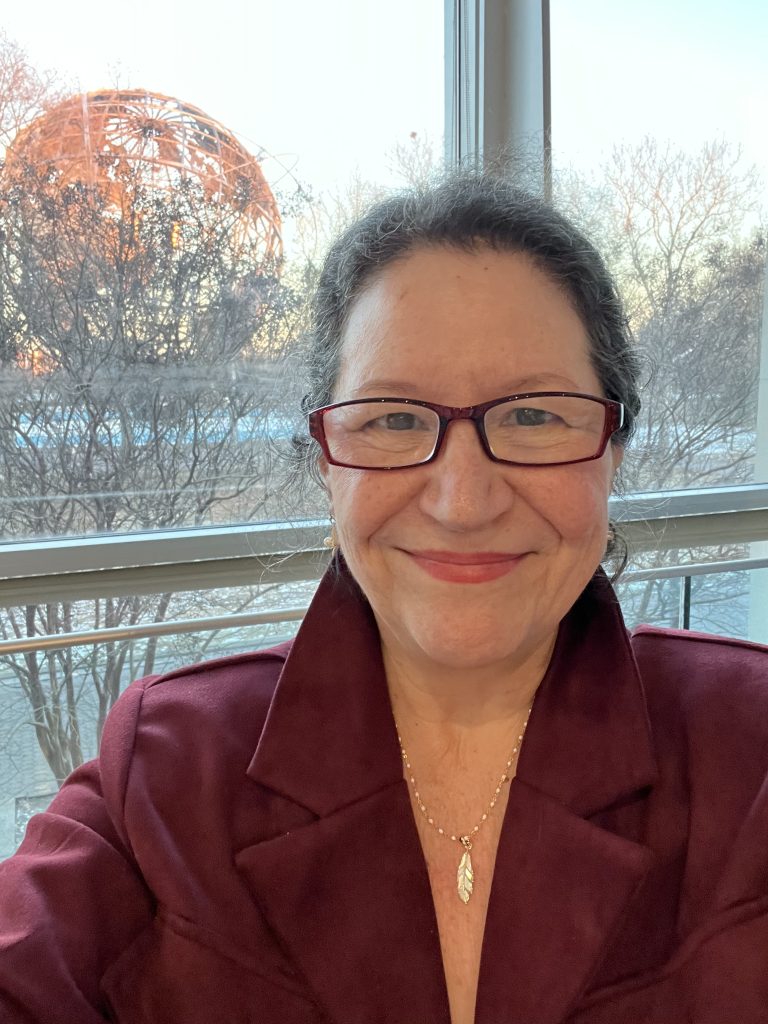 Laurie Sue Brockway is a seasoned writer of thousands of articles, 25 books, and many once-unfinished manuscripts. She developed her unique approach to tapping into creative magic after years of writing panic, fear, and frustration! Her books have been published by Penguin, Random House, Kensington, Sterling, and Llewellyn. Now running her own self-publishing company, she is sharing her wisdom to help other writers. Her books include Writer’s Flow, She Who Scrivens, Meet Enheduanna, Lakshmi Magic, The Goddess Pages and several fiction titles. She is a former editor of an iconic national women’s magazine, and of local newspapers and online publications. She holds degrees in psychology, history, and ministry. Find out more at www.revlauriesue.com.
To register, please visit the event page and fill out the form at the bottom of the page!


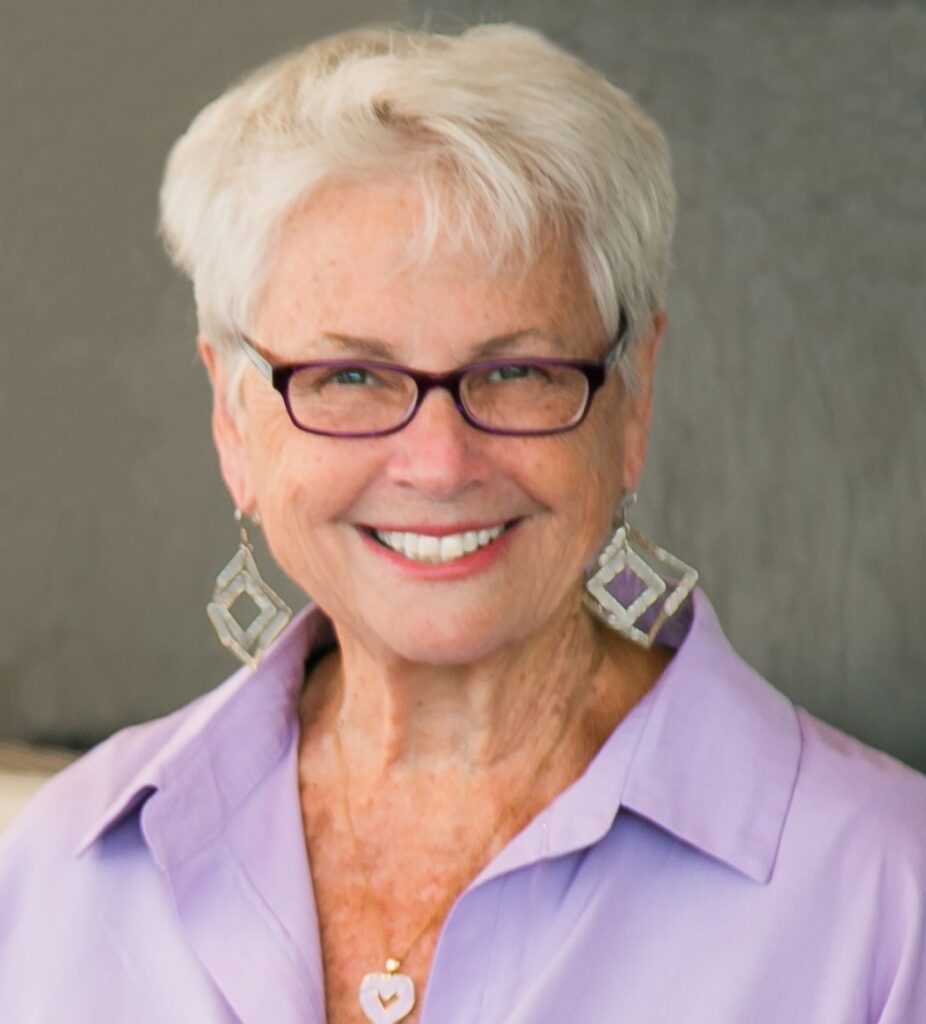 Dr. Judith Briles is the award-winning and best-selling author of 48 books earning over 60 book awards and recently awarded the Author Laureate honor. To date, her books have been translated into 17 countries with over 1,000,000 copies sold! Judith’s books, and work, have been featured in over 1,500 radio and TV shows. She is the host of the AuthorU-Your Guide to Book Publishing podcast that has received over 21 million downloads, posts less than three minute “how to publish and market” videos daily on her YouTube channel Dr. Judith Briles-The Book Shepherd and is the founder of the Colorado’s Authors’ Hall of Fame. Today, she will explore the wide, wide world of book marketing that leads to author success … that is, if you do it.
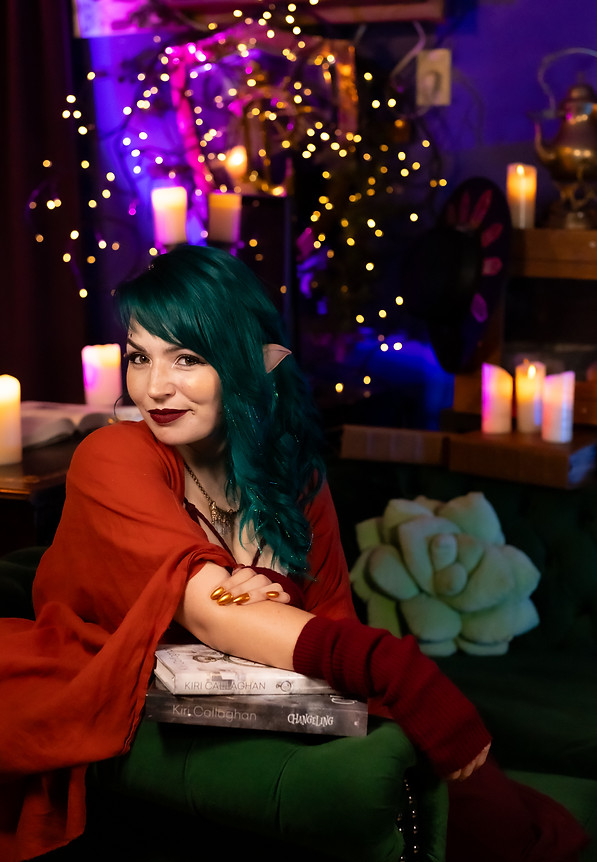 Kiri Callaghan
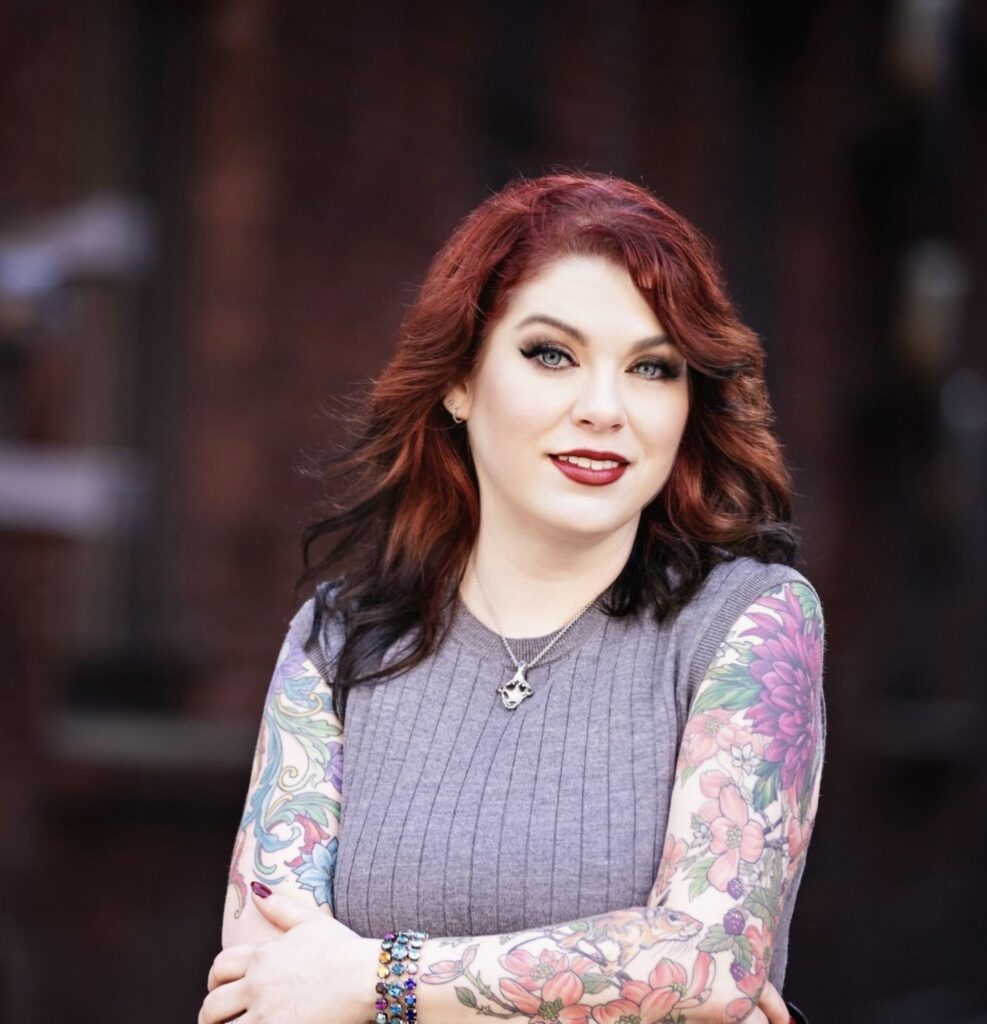 Ana Visneski
 Saturday, September 6, 2025
 2:00 PM
 Koret Auditorium, San Francisco Main Library (Civic Center)
 The Fred Cody Award for Lifetime Achievement
 California Translation Awards in Poetry and Prose
 Awards in Fiction, Poetry, Nonfiction, Children’s Literature & more
 Nominees announced in August at