Saturday, April 30, 2022
8:00 am – 1:00 pm
Another year, another round of Pitch-O-Rama! We’ve learned a lot from the last two events, and we are ready to do our utmost to make this year’s Pitch-O-Rama the best one yet. Also, we are adding even MORE agents, so keep checking back in here for the latest updates.
Sign up for 2022 Pitch-O-Rama with the link below as registration is filling up quickly:
https://wnba-sfchapter.org/april-30th-virtual-pitch-o-rama-2022/
Includes pre-pitch coaching.
$65 WNBA-SF members, $95 Non-members
EVERYONE Welcome!
Meet the Agents and Editors for Pitch-O-Rama 2022!
These impressive publishing professionals bring years of experience and will provide advice, direction, and next steps for your literary project!
 Jim Azevedo is the marketing director at Smashwords, the largest distributor of self-published ebooks, serving over 130,000 independent authors, publishers, and literary agents. Since 2008, Smashwords has helped authors around the world release more than 470,000 titles and distribute their work globally to top ebook retailers, subscription services and public libraries. Prior to joining Smashwords in 2011, Jim built his career in marketing & PR for high-tech companies. Although Smashwords is a self-publishing platform, Jim loves helping authors sharpen their pitches and book descriptions. He credits his journalism education when it comes to guiding authors, and himself, to “get to the point” with messaging. Jim is open to discussing all genres.
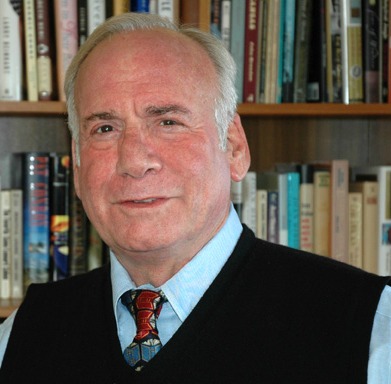
Peter Beren, formerly Vice President, Insight Editions, Publisher of Sierra Club Books, Publisher of VIA Books and an Acquisitions Editor for Jeremy Tarcher. Peter Beren is a literary agent and a book publishing consultant to authors and independent publishers. He is the founder of The Peter Beren Agency, located in the San Francisco Bay Area. He is also author or co-author of eight books, including The Writers Legal Companion (Basic Books), California the Beautiful (Rizzoli) and The Golden Gate (Insight Editions). As a publishing consultant, Peter works with independent publishers, self-publishers, and authors to help them make the most of their publishing opportunities. He represents selected nonfiction projects as a literary agent to help authors obtain publishing contracts. https://peterberen.com/
 Associate Agent Karly Caserza was born in the Phillipines and immigrated to Northern California as a child. She obtained her Business Marketing degree and has been a Freelance Graphic Designer for over 10 years. In addition to designing a wide range of print and web promotional material for clients. Karly creates book covers for Short Fuse and promotional graphics for Fuse authors. Professionally, Karly began her career in the publishing industry as a reader for Tricia Skinner at Fuse Literary, a role that also included a spot on the production team of Short Fuse. Karly is also the Marketing Coordinator of the San Francisco Writer’s Conference. In her spare time, Karly has a deep love for characters with a strong voice and seeks out stories she can get lost in. Diversity in genre fiction is a major bonus. She specializes in middle grade and young adult genre fiction (fantasy, science fiction, and contemporary.)
 Leland Cheuk is a MacDowell and Hawthornden Castle Fellow and award-winning author of three books of fiction, most recently the novel NO GOOD VERY BAD ASIAN (2019). Cheuk’s work has been covered in Buzzfeed, The Paris Review, VICE, San Francisco Chronicle, and elsewhere, and has appeared or is forthcoming in publications such as NPR, The Washington Post, San Francisco Chronicle, Salon, among other outlets. He is the founder of the indie press 7.13 Books, which publishes debut book-length fiction. He is looking for quality works of fiction and short story collections, favoring literary comedies and genre-bending submissions as well as work from the queer and/or POC writing community.
 M.J. Fievre, B.S. Ed, is a longtime educator whose publishing career began as a teenager in her native Haiti. At nineteen years old, she signed her first book contract with Hachette-Deschamps for the publication of a YA book titled La Statuette Maléfique. Since then, M.J. has released nine YA books in French that are widely read in Europe and the French Antilles, and she is the author of the award-winning Badass Black Girl book series for tweens and teens (in English). As the ReadCaribbean program coordinator for the prestigious Miami Book Fair, M.J. directs and produces the children’s cultural show Taptap Krik? Krak! In addition, M.J. serves as the managing editor of DragonFruit, which publishes high quality children’s books, which connect with readers by paving the way to lifelong learning.
 Georgia Hughes is editorial director at New World Library, publisher of the Joseph Campbell Library and The Power of Now. She acquires and edits nonfiction books in the areas of spirituality, sustainability, animals, business, women’s issues, and personal growth. Recent acquisitions include Spiritual Envy by Michael Krasny, Dreaming the Soul Back Home by Robert Moss, Dogs and the Women Who Love Them by Allen and Linda Anderson, Right-Brain Business Plan by Jennifer Lee, and The Practicing Mind by Thomas Sterner.
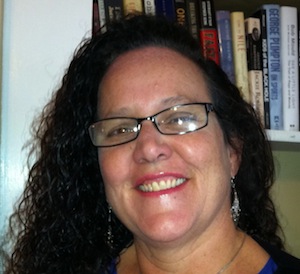
Jane Kinney Denning is a freelance agent and editor and former president of the WNBA. With over 30 years of experience in writing, editing, and educating, she has worked as an adjunct professor in publishing at Pace University, and has editing books with HarperCollins, Little Brown, CRC Press, and Van Nostrand Reinhold. Jane has also worked as the Acquisitions Editor for Mango Publishing, acquiring notable books such as The Fearless Women’s Guide to Starting a Business, Plan and Organize Your Life, Baker Bettie’s Better Baking Book, and the first three titles of the Baseball Hall of Fame Imprint.
 Brenda Knight began her career at HarperCollins, working with luminaries Paolo Coelho, Marianne Williamson and His Holiness the Dalai Lama. Knight was awarded IndieFab’s Publisher of the Year in 2014 at the ALA, American Library Association. Knight is the author of Wild Women and Books, The Grateful Table, Be a Good in the World, and Women of the Beat Generation, which won an American Book Award. Knight is Editorial Director at Mango Publishing and acquires for all genres in fiction and nonfiction, LGBTQ as well as children and photography books. She is the immediate past President of the Women’s National Book Association, San Francisco Chapter, and an instructor at the annual San Francisco Writers Conference.
 Michael Larsen co-founded Larsen-Pomada Literary Agents in 1972. Over four decades, the agency sold hundreds of books to more than 100 publishers and imprints. The agency has stopped accepting new writers, but Mike loves helping all writers. He gives talks about writing and publishing, and does author coaching. He wrote How to Write a Book Proposal and How to Get a Literary Agent, and coauthored Guerrilla Marketing for Writers. Mike is co-director of the San Francisco Writers Conference and the San Francisco Writing for Change Conference.
 Michele Martin is an editor and literary agent specializing in non-fiction and children’s books. Previous experience includes acting as VP for North Star Way (imprint for Simon & Schuster) where she acquired award-winning actress Keke Palmer’s book I Don’t Belong to You in 2017, as well as finding MDM Management, specializing in topics such as business, health & wellness, and self-help.
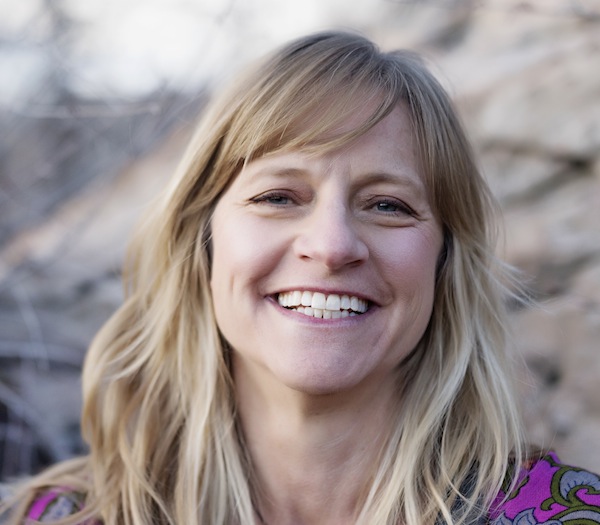 Kristen Moeller, MS, is an agent at Waterside Productions, the literary home of Eckhart Tolle, Neale Donald Walsch, Jean Houston and other luminaries. Previously, she was an acquisitions editor at Morgan James Publishing and the executive publisher for Persona Publishing, a self-publishing imprint. With close to 30 years of training and experience in psychology and personal growth, she craves discovering new (mostly female) authors with real and gritty memoir or literary fiction about walking through the fires of life – exploring depths and darkness while maintaining a strong psychological base. A published author and a three time TEDx speaker, she has been featured on NPR, ABC, NBC, Fox News, the New York Times, Huffington Post and Tiny House Nation.
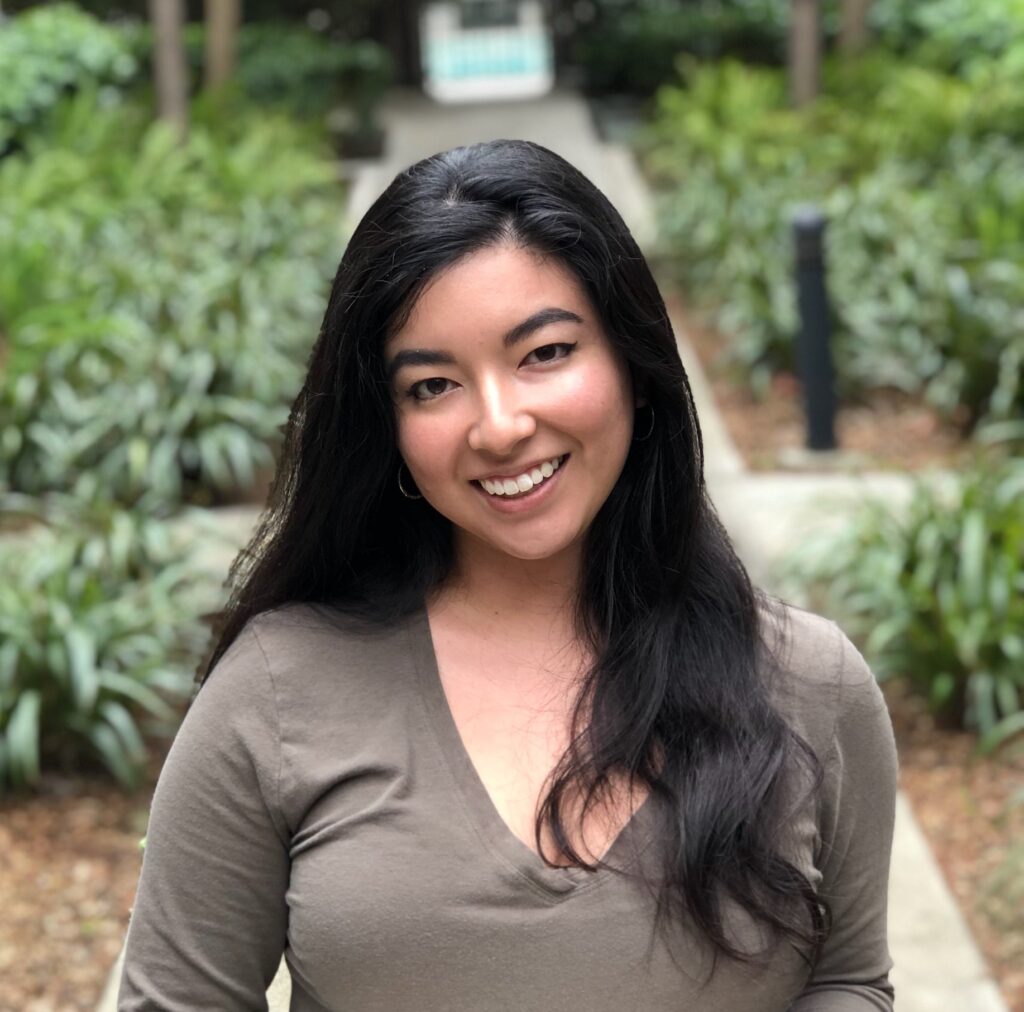 Stefanie Molina is an agent and editor who specializes in titles written by authors and for communities of color. Since 2013, she has helped edit various fiction and non-fiction from children’s books to memoirs in order to help authors reach the highest caliber to develop their creative work. Some of her previous experience includes over 5 years as Senior Editor at Brink Literacy Project, whose mission is to share storytelling that empowers underserved communities, and is currently an agent at Ladderbird Literary Agency. Outside of agenting, she enjoys hiking, swimming, baking, and playing the piano. Her favorite place in the world is Yosemite National Park! You can find her on Twitter @fiction_tech. Stefanie is primarily looking for BIPOC stories inclusive of intersectional identities (LGBTQ+, disability, mental illness, neurodiversity…). She particularly relates to stories centering mixed protagonists. In all genres, she adores stories that incorporate food, animals, the outdoors, and intergenerational relationships. She also loves when stories explore “messy” feelings like rage, fear, guilt, grief, etc. in empowering ways. Please don’t send her books that revolve around abuse (though it can be in a character’s past) or books where the protagonist dies at the end. In picture books, she’s looking for heartfelt stories about family, facing your fears, and/or finding your place in the world. She especially loves brave, quirky heroines. In middle grade and YA, she likes contemporary and urban fantasy and coming-of-age stories. She loves a touch of mystery and is also open to the right high fantasy or romcom. In adult, she’s looking for romcoms, mysteries, thrillers, and urban or contemporary fantasy. She’s also open to high fantasy or historical fiction that empowers BIPOC individuals and communities. Two of her specific wishes are for a mystery or thriller helmed by a BIPOC woman, and for historical fiction centering a BIPOC cowgirl.
https://www.manuscriptwishlist.com/mswl-post/stefanie-molina/
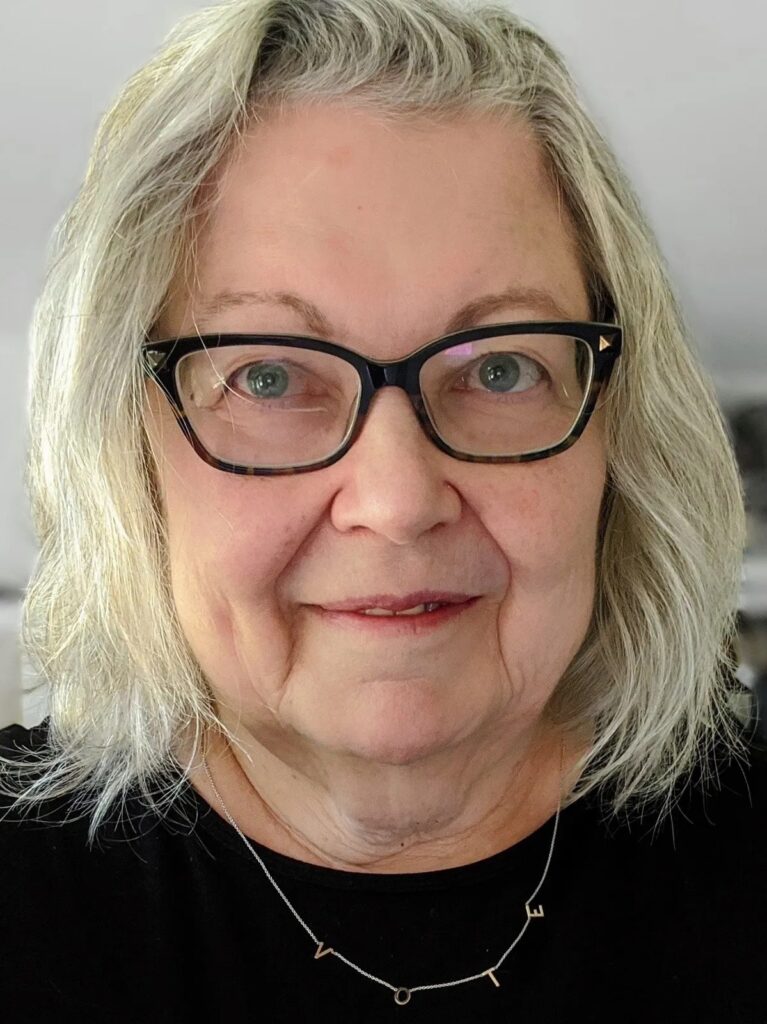 Liz Nealon is the founder and president of Great Dog Literary, a publishing company specializing in sharing unique voices for both adults and children. In her previous life, she was an award-winning executive producer and children’s media industry leader who played an integral role in shaping the indelible youth brands Sesame Street, Kidz Bop, and MTV, as well as being the former Publisher of StarWalk Kids Media, an award-winning digital publishing company that she co-founded with author Seymour Simon (2012-2016). Liz has unique and specific experience in children’s digital publishing, with extensive knowledge of the US Schools & Libraries sector. She is a big reader of both non-fiction and literary fiction, and is particularly looking for Modern Women’s Fiction (no fantasy or Regency); True Crime with a strong, literary voice; memorable Narrative Non-Fiction; Art/Illustrated titles for adults; Illustrated Middle Grade (both fiction and non-fiction). She is committed to representing diverse voices and would be over the moon if she could acquire a captivating LGBTQ RomCom for YA readers.
 Becky Parker Geist is CEO of Pro Audio Voices and has been in the audiobook industry since 1981. As an audiobook publisher and producer, Becky has produced and/or narrated hundreds of titles, helping authors leverage their content through audio – even if it is the first or only format of their book to get publishedTypically working with authors and publishers who are challenged in reaching their widest audience, the Pro Audio Voices team provides audiobook production, including complex and unusual projects, and the Audiobook Marketing Program™ to help authors increase their impact. Committed to leadership, Becky serves as President of Bay Area Independent Publishers Assoc. and a Chapter Leader of Nonfiction Authors Association. proaudiovoices.
 Randy Peyser sells non-fiction manuscripts in all genres and speaks nationally about how to get book deals. She also serves on faculty for CEO Space International where she teaches about writing book proposals. She is the author of: The Write-a-Book Program; Crappy to Happy as featured in the movie, Eat Pray Love; and The Power of Miracle Thinking. Her clients’ books have been in Oprah and Time Magazines, the Wall Street Journal and USA Today Bestseller Lists, in airport bookstores, Office Max and FedEx/Office stores, and on Hallmark TV. Her work is featured in: Healing the Heart of the World; The Marriage of Sex and Spirit; Secrets of Shameless Self-Promoters; and the national bestsellers, Networking Magic, Guerrilla Publicity, and The Profit of Kindness. AuthorOneStop.com.
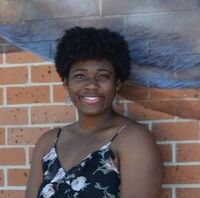 Leah Pierre is a literary agent and production manager who loves diverse and unique work that is fast paced and has a complex cast of diverse characters. After graduating from Rosemont College with her B.A. in English and History and currently finishing her Master’s in Publishing, she has moved back to the South to begin her next adventure. In addition to searching for the next commercial YA or Adult project that will hook her (or make her cry), Leah is looking for YA/Crossover/Adult fiction across speculative, contemporary, romance, mystery/thriller, and fairytale reimaginings and retellings. She currently works at Ladderbird Literary Agency and is the Production Project Manager at Greenleaf Book Group: https://www.ladderbird.com/leah-pierre.html
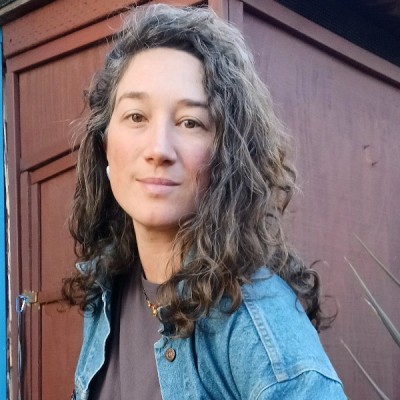 Marthine Satris is the Acquisitions Editor for Heyday, a nonprofit publisher located in Berkeley, CA. Having worked as an editor and writer for Stanford University Press, Callisto Media, and the Center of the Art of Translation, Marthine’s main goal is to help shape a title with an eye on the fine detail. At Heyday, some of the books she has edited include Charles Hood, Marni Fylling, Mary Clare and Gary Ferguson, John Muir Laws and Emilie Lygren, Alex Harris, Jack Gedney, and David Harris, with more to come. Marthine is acquiring prescriptive books, reference books, narrative nonfiction, literary essays, and, for Heyday, quirky books on Californian history, our natural world, and social justice.
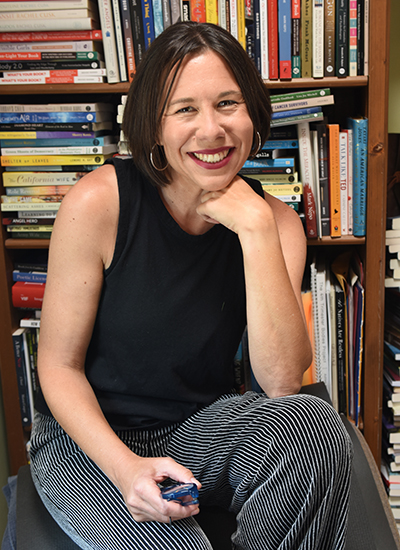 Brooke Warner is a writing coaching, professional publishing consultant, and WNBA-SF member. She has worked as an acquiring editor in the publishing industry for the past sixteen years, most recently as the Executive Editor at Seal Press. Brooke left Seal Press in May 2012 to pursue the coaching practice and to co-found She Writes Press with Kamy Wicoff. Also, she launched Write-Minded: Weekly Inspiration for Writers in 2018, teaches and facilitates memoir courses through Write Your Memoir in Six Months, co-founded with Linda Joy Myers, President of the National Association of Memoir Writers, and has published three books on writing and publishing. Some genres Brooke is looking for are memoirs, self-help, entrepreneur, and other business-like titles.
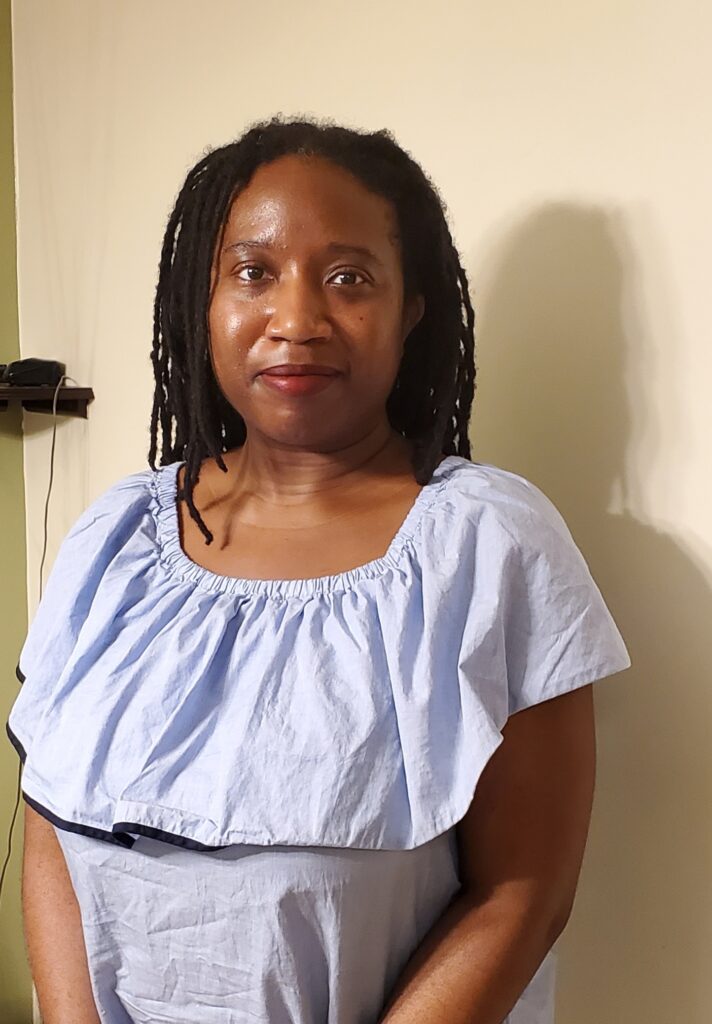 Viveca Shearin is a co-publisher of Not a Pipe Publishing, an indie publishing house based in Oregon (though she lives and works in NYC). An avid reader since childhood, her tastes in books have changed throughout the years. However, she is still a lover of fantasy, magic, and all things dark and mysterious. As she searches for her new talent, Viveca is looking for YA and Adult fiction projects in these genres: fantasy, speculative, paranormal, supernatural, mystery and thriller, science fiction, and retellings of fairy tales and mythology (Greek and Japanese). Viveca is especially interested in BIPOC representation and acquiring BIPOC and LGBTQIA+ voices. She’s drawn to stories that feature strong female characters (lead and secondary), stories with a diverse and eclectic cast of characters that all shine in their own ways, stories that feature found families, and stories that stay with her long after the last page is turned. She will not read stories that feature Black trauma, abuse, or anything of that vein. So please do not send these to her. Aside from working for Not a Pipe, Viveca also works as a sensitivity reader.
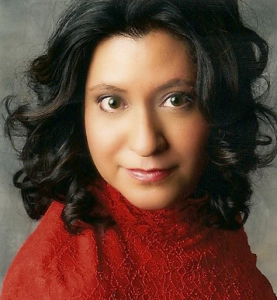 Leticia Gomez is a prominent literary/film/television agent who specializes in bringing culturally diverse voices to the forefront. She has helped her clients secure deals with the largest publishers in the world and has seen several of her projects successfully optioned for TV and film rights. In January of 2007, Leticia launched Savvy Literary Services, becoming one of a highly select group of agencies in the world that specializes in the Latino book market. Savvy Literary is now an industry leader specializing in Self-help, Narrative Non-fiction, Memoir, True Crime, Spiritual/Inspirational, Political/Current Affairs, Suspense/Thriller, Family Drama, and the Young Adult market. Blending her experience as an author, literary/film/television agent and acquisition editor, she is now truly excited to spearhead her very own Hispanic book imprint Café con Leche Books. At the present time, Savvy Literary Agency is interested in reviewing compelling and commercially viable book proposals and manuscripts written in English or Spanish. Fiction areas of interest: adventure, chick lit, fantasy, historical, humor, multicultural, mystery, paranormal, romance, young adult, and middle grade. Nonfiction areas of interest: advice/relationships, biography, cooking, diet, health, history/politics/current affairs, how-to, humor, lifestyle, memoir, parenting, religion/spirituality and true crime.
Tips for Pitching 2022, CLICK HERE!