 Stop Chasing Bestsellers: How to Build a Marketing Plan
Thursday, October 8 at 12 pm PDT
FREE Virtual Event: Register Here!
Unable to attend? No worries. Register anyway and receive the replay!
Book marketing has changed more in the past fifteen years than in the previous fifty. Authors today have access to an overwhelming number of promotional tools, from social media platforms, podcasts, and email newsletters to book festivals, speaking engagements, media outreach, online advertising, and reader communities. While social media often dominates the conversation, many proven traditional marketing strategies continue to deliver strong results without requiring authors to spend hours online every day.
You may have attended workshops promising a simple formula for bestseller status. The reality is that successful book marketing is not one-size-fits-all. Different books, genres, budgets, and personalities require different approaches. The key is understanding your options and building a marketing plan that works for you.
One of the biggest mistakes authors make is waiting until publication day to start thinking about promotion. Effective marketing begins months before a manuscript is finished and continues long after the book is released. Building an author platform, growing an email list, connecting with readers, gathering reviews, and creating visibility all take time.
In this practical and information-packed presentation, lifelong marketer Kathleen Kaiser will guide authors through the full range of book marketing opportunities available today. She will explain what works, what doesn’t, the costs involved, and the advantages and disadvantages of each strategy. Participants will learn how to create a realistic marketing plan, avoid common pitfalls, and focus their energy where it will have the greatest impact.
You can’t do everything, nor should you. But by selecting the right three or four marketing tools for your book and your goals, you can build momentum, reach more readers, and give your book the attention it deserves.
About the Presenter
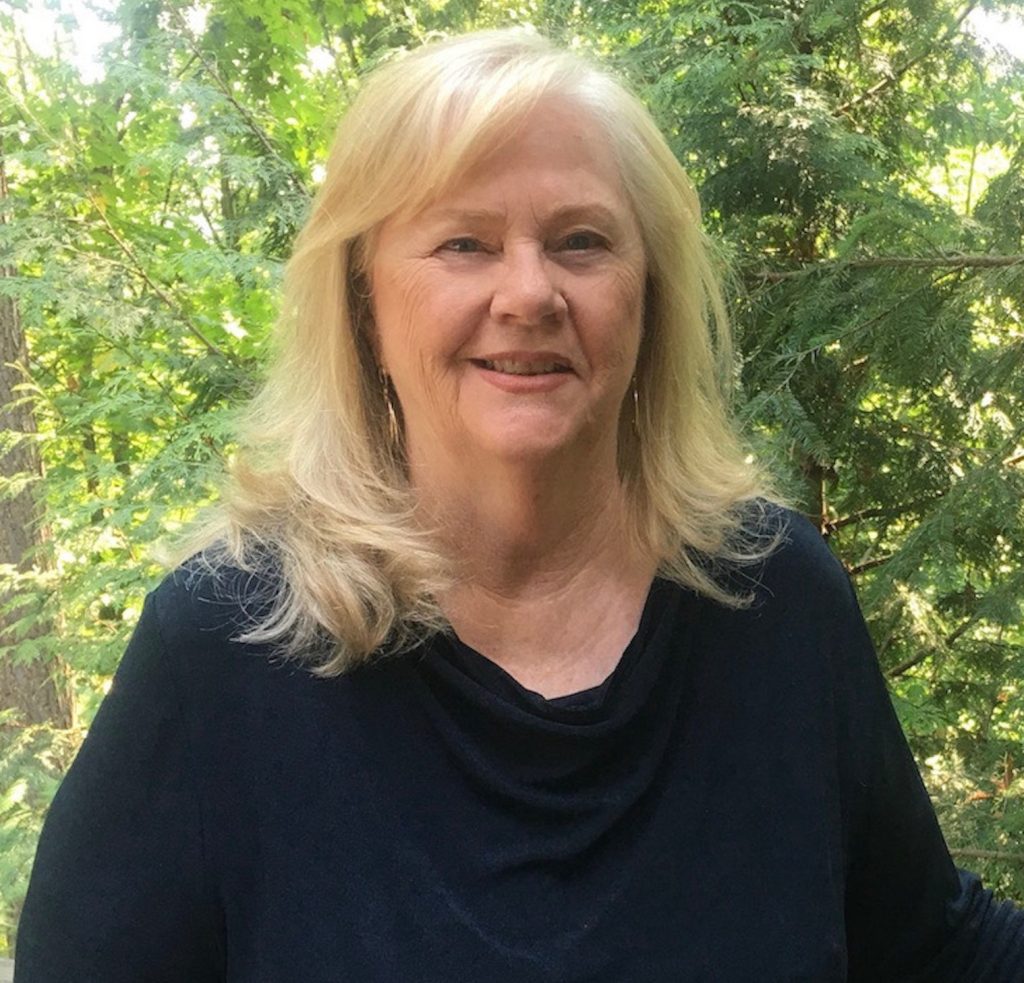 Kathleen Kaiser’s journey through the dynamic landscapes of marketing, technology, and the arts spans over five decades. Beginning as a music journalist and transitioning to publicity, Kathleen has left her mark on the most exhilarating industries of her generation. Her career has been a remarkable evolution from the electrifying world of rock and roll in the late 60s and 70s to the transformative digital and internet revolution of the late 80s, 90s, and 00s. She is a frequent conference speaker and sits on several literary arts boards. She served as President of the Writers & Publishers Network for twelve years. Throughout her career, Kathleen’s words have graced publications in the United States, Japan, the UK, and Italy. In addition, she is the author of five published books, four dedicated to the music industry, a novel, and a collection of plays. She launched the podcast, “Talking Book Publishing,” in March 2021, now co-hosted with poet and book marketer Adanna Moriarty, with whom she is co-founder of ProBookLaunch, a new book marketing assistant tool. Her Substack about her life in rock and roll is Glimpses of a Life. Otherwise, KathleenKaiser.com.
To register, please visit the event page and fill out the form at the bottom of the page!
Remember to follow WNBA-SF on Instagram @wnba_sanfrancisco to stay connected and current on our events, interviews, and other activities!
 Spooky Mixer: No Tricks, Just Treats!
Thursday, October 22 at 12 pm PDT
FREE Virtual Event: Register Here!
Unable to attend? No worries. Register anyway and receive the replay!
Halloween season is here! Join the Women’s National Book Assoication – San Francisco Chapter for a fun, casual, Halloween-themed mixer on Wednesday, October 22 at noon PT.
Hosted by WNBA-SF Networking Ambassador Debra Eckerling, it’s a chance to hang out with fellow writers, publishing pros, and book enthusiasts. Catch up with friends and make some new connections.
During the mixer, everyone will have a few minutes in the spotlight:
No Tricks: Introduce yourself, tell everyone who you are, and share what you’re working on.
Just Treats: Ask for something you need. Looking for a service? Reviews for your book? Help spreading the word about a project? A little encouragement? Put it out there and see who can help.
Come ready to mix, mingle, and have a great time.
It’s a MIXER, so share this post and bring a literary friend or two to join the virtual fun!
About the Host
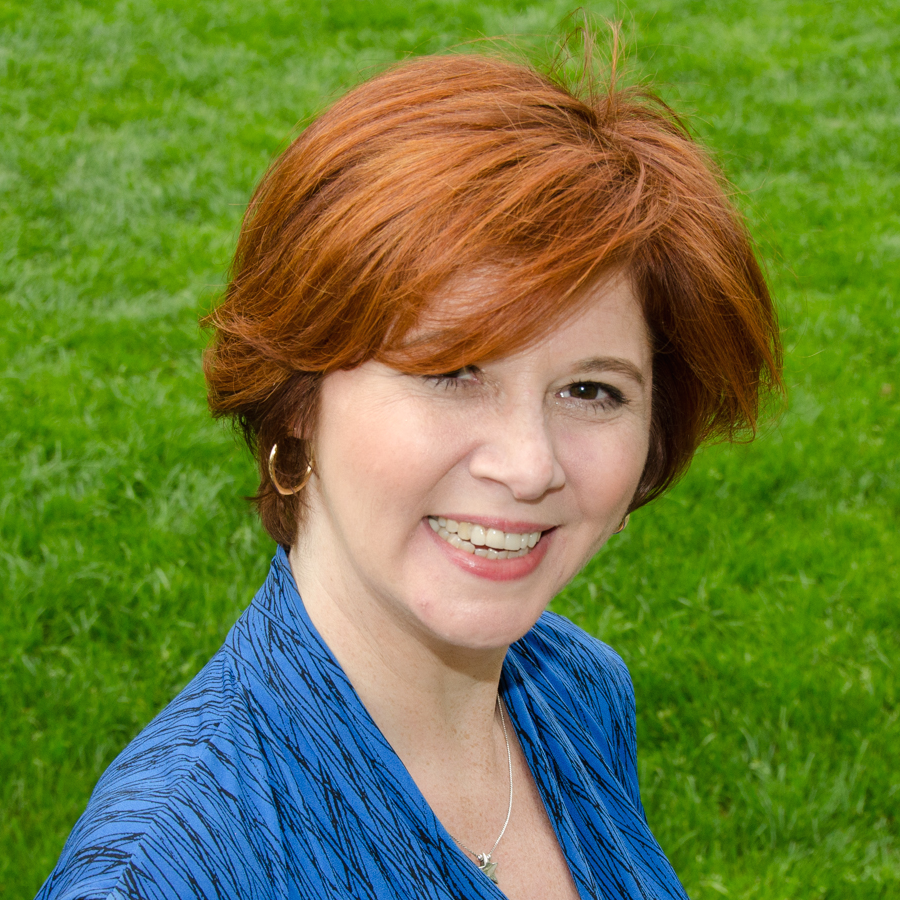 Debra Eckerling is The Book Proposal Expert, a book proposal specialist who helps authors clarify their message, develop their content, and craft proposals that get attention of agents and publishers. She is the author of Your Goal Guide and 52 Secrets for Goal-Setting and Goal-Getting, co-author of Active Grandparenting, and host of GoalChat and the Book Proposal Podcast. Learn more at TheBookProposalExpert.com, subscribe to BookProposals.Substack.com, an
To register, please visit the event page and fill out the form at the bottom of the page!
Saturday, April 24, 2027, 8:00 A.M. – 1:00 P.M. PT
24 Years of Pitch-O-Rama Success!
 Are you developing a concept for a new book? Do you have a manuscript in progress? Are you ready to publish that book you’ve been working on for years? If this sounds like you, we would love to invite you to Pitch-O-Rama 2027! Everyone is welcome to participate!
We are pleased to announce we will be hosting the next Pitch-O-Rama as a virtual event on April 24, 2027, a supportive environment where writers will be given ample opportunity to pitch their works to agents and editors for publication.
New to Pitch-O-Rama? Pitch-O-Rama is our annual, signature event; we gather a wide range of publishing professionals to share their knowledge of the publishing industry. During the event, you will be able to practice your pitch with coaches and fellow writers and continue to refine your pitch. You’ll then share it with confidence to several experts who will provide advice on taking your writing project to the next level. An opportunity like this is an invaluable learning experience that could put you on the path to publication. We hope to see you participate!

Special Pricing: Currently, registration will be $99 for WNBA-SF members and $149 for non-members so don’t wait to register! If you’d like to take advantage of member pricing, visit our website to learn more about the benefits of WNBA-SF membership and join the chapter’s community!
To register, please visit the event page and fill out the form at the bottom of the page!
Perfect your book pitch with expert guidance!
Your Pitch. Perfected.
In this interactive Pitch Clinic, publisher Brenda Knight (Books that Save Lives) and book proposal strategist Debra Eckerling (TheBookProposalExpert.com) team up to help authors refine and strengthen their pitches in real time. Whether you’re preparing for a conference or Pitch-O-Rama; a meeting with an agent or publisher; or an email submission, this session will give you the tools and confidence to make your pitch stand out.
Brenda Knight, Publisher, Books That Save Lives, and President of WNBA-SF Chapter, is a longtime publisher and industry veteran, who draws on decades of experience acquiring and publishing bestselling and award-winning titles. She offers an insider-perspective on what agents and publishers are really looking for — and what makes a pitch irresistible.
Debra Eckerling, TheBookProposalExpert.com, brings her talent for helping writers clarify their ideas, define their audience, and communicate their book’s value with confidence. The author of Your Goal Guide and 52 Secrets for Goal-Setting and Goal-Getting, Debra helps writers, entrepreneurs, and consultants turn their compelling book concepts into strong, strategic proposals that sell.
Together, Brenda and Debra provide practical feedback, actionable advice, and professional insights designed to help you pitch your book like a pro.
To learn more about Pitch Clinic, please visit the event page!

 Andy Ross opened his literary agency in January 2008. Before that, he was the owner for 30 years of the legendary Cody’s Books in Berkeley. The agency represents books in a wide range of subjects including narrative non-fiction, science, journalism, history, religion, children’s books, young adult, middle grade, literary and commercial fiction, and cooking. However, he is eager to represent projects in most genres as long as the subject or its treatment is smart, original, and will appeal to a wide readership. In non-fiction, he looks for writing with a strong voice and robust narrative arc by authors with the authority to write about their subject. For literary, commercial, and children’s fiction, he has only one requirement– simple, but ineffable–that the writing reveals the terrain of that vast and unexplored country, the human heart. Visit

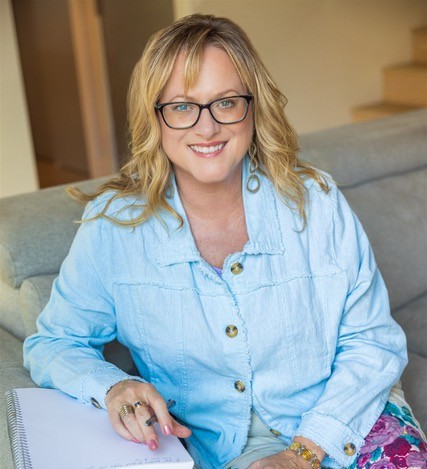 Lynda Monk, MSW, RSW, CPCC is an author, speaker, registered social worker, certified professional coach, and Director of the International Association for Journal Writing (IAJW.org). For more than 30 years, she has helped people harness the power of writing for self-discovery, healing, creativity, and personal growth. Lynda is a recognized leader in the field of journaling and co-editor of The Great Book of Journaling and Transformational Journaling for Coaches, Therapists, and Clients. She is co-author of Writing Alone Together: Journaling in a Circle of Women for Creativity, Compassion & Connection. Lynda is also the author of The Adoptee’s Guide to Healing, Wholeness & Growth. Through her workshops, courses, and global journaling community, Lynda inspires people to connect more deeply with themselves, their stories, and their creative potential and well-being.